
A combined wildlife safari in Kibale Forest and Semuliki: Kibale Forest National Park and Semuliki National Park are both situated in Bundibugyo and Fort Portal, respectively, in western Uganda. The Uganda Wildlife Authority oversees the management of these two national parks, which were gazetted by the Ugandan government. The government organization has been instrumental in preserving these national parks and the attractions that draw visitors from all across the nation.
Kibale Forest National Park and Semuliki National Park are both excellent safari locations. This is due to the fact that they both offer unique attractions, which means that a visitor to both national parks may view a variety of sights, some of which are only accessible by visiting one park.
While Kibale Forest National area is well-known for its chimpanzees, the area is also known for its hot springs and butterflies. For those who have the time and financial means to visit both national parks, a combination safari in Semuliki and Kibale Forest National Park is recommended. The main things visitors can do on a safari to Kibale Forest National Park and Semuliki National Park are listed below.
Chimpanzee trekking in Kibale Forest National Park and a combined wildlife safari in Semuliki National Park
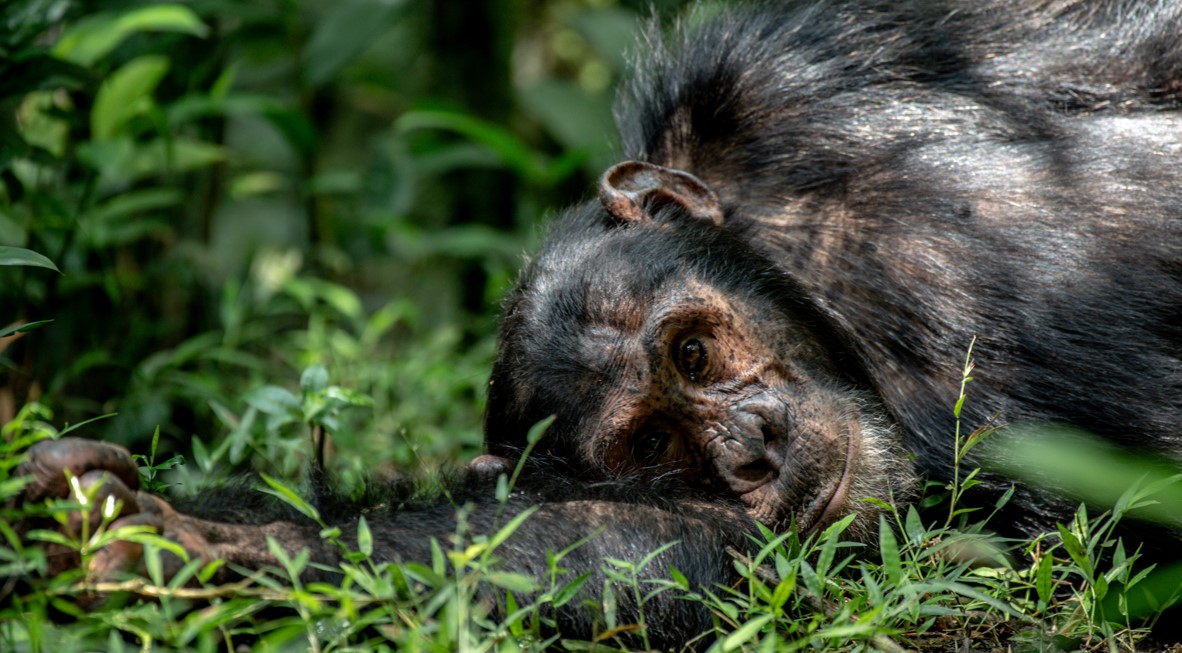
Chimpanzee trekking is available to visitors on a combined safari in Semuliki and Kibale since Kibale Forest National Park is home to the greatest number of chimpanzees in all of Uganda. Chimpanzees may be found at Semuliki National Park, although Kibale Forest National Park has a far larger population.
The most popular place to go chimpanzee tracking is Kibale Forest National Park, where visitors have a greater than 95% probability of encountering chimpanzees. All hikers must have chimpanzee trekking permits, and the activity begins at 7 a.m. in Semuliki National Park. The park rangers give a briefing at the beginning of the activity, explaining its laws and regulations. Armed ranger guides lead groups of no more than eight persons into the bush, protecting visitors and assisting with chimpanzee searches.
It takes three to five hours or more to search for chimpanzees in Kibale Forest National Park, but once they are found, visitors are allowed to spend an hour with them, which allows them to observe their daily routines, learn about their habits, and take pictures and films, among other things. Following their interaction with the chimpanzees, visitors are returned to the starting locations and given the opportunity to speak with the drivers.
Observing birds
Birdwatchers can engage in this pastime at Kibale Forest National Park or Semuliki National Park. There are 435 bird species in Semuliki National Park and 372 in Kibale Forest National Park, four of which are unique to the nation.If time permits, birdwatchers can try bird watching in any national park, which will enhance the number of birds they can spot.
Green-breasted pitta, collared appalis, African pitta, crowned eagle, yellow-rumped tinkerbird, white-naped pigeon, Rwenzori apalis, purple-breasted sunbird, hairy-breasted barbet, papyrus canary, chocolate-backed kingfisher, African shrike flycatcher, Narina trogon, African pipit, African firefinch, shy flycatcher, chestnut wattle eye, speckled mousebird, and swallow-tailed bee-eater are some of the birds that can be found in Kibale forest national park.
The Shoebill stork, Grant’s bluebill, Black-dwarf hornbill, yellow-throated nicator, Lyre-tailed honeyguide, White-thighed hornbill, Great blue Turaco, Xavier greenbul, Forbe’s plover, Long-tailed Hawk, Crested Malimbe, Red-billed Dwarf hornbill, Black-casqued Wattled Hornbill, Orange-cheeked Waxbill, and Red-thighed Sparrow hawk are just a few of the bird species that can be found in this park.
Cultural tours
While Bigodi village is the site of cultural excursions in Kibale Forest National Park, Ntandi and Boma villages are visited by culture-loving visitors in Semuliki National Park. Visitors to Semuliki National Park get to encounter the Batwa, who previously called the park’s woodland home. They now reside in the park, where visitors may come and talk to them.
A community member who is well-versed in the region leads a tour of the Batwa. When visitors arrive, traditional dancers greet them and provide them with theatrical and dance entertainment.After that, the local guide shows visitors throughout the neighborhood, where they may visit various residences and engage with locals. Elders narrate tales from long past, while individuals describe their daily lives.
Tourists visit several residences in the Bigodi settlement in Kibale National Park. A coffee home, a traditional healer’s home, or a banana juice maker’s home are all open to tourists. When you visit these homes with a local guide, you can observe how coffee and banana juice are created. You can also discover how various plants are utilized as local medicine when you visit the traditional healers.
Going to the hot springs
Accessing Kibale Forest and Semuliki National Park
Travelers can use either air or vehicle transportation to reach Semuliki and Kibale Forest National Park. Travelers from Kampala/Entebbe most frequently go by road, passing via Mityana, Mubende, Kyegegwa, Kyenjojo, and Fort Portal, the location of Kibale National Park. In order to find the Semuliki, visitors must proceed to Bundibugyo National Park. Semuliki National Park and Kibale Forest National Park are accessible by air for affluent tourists or those who detest long flights. The nearest airport to this national park is Kasese Airstrip, but once more, visitors must use the road to reach any of the parks.
Several airlines, including Aerolink Uganda and Bar Aviation Uganda, provide flights from Entebbe International Airport and Kajjansi Airstrip to Semuliki and Kibale Forest National Park.
The ideal time of year to combine a safari in Kibale Forest and Semuliki National Park
Though certain months are better than others, visitors may go on safari in Kibale Forest and Semuliki National Park at any time of year. The greatest time to go on this safari is during the dry season, which runs from June to September and December to February. There is a lot of sunshine and little to no rainfall during these months. Both parks provide dry, easy-to-follow walking routes with sparse vegetation and clear views of the local sights.
During the rainy seasons of March through May and October through November, visitors may still go on safari in Semuliki and Kibale. Because of the lodges’ discounts, this is a fantastic time of year for low-budget travelers. However, visitors should be aware that the park has had a lot of rainfall, which has made the walking pathways muddy and slick and that the forest is too dense to provide clear views of the wildlife.