Mammal species to see in Semuliki National Park: One of the most popular national parks in western Uganda, Semuliki National Park spans 220 square kilometers. This location is home to several wildlife species and is well-known for being the sole lowland tropical rainforest in East Africa. Despite its modest size, Semuliki National Park is home to 53 animals, 9 primates, and 435 bird species. Additionally, the national park is home to the greatest number of butterflies more than 448.
There are many different kinds of mammals in Semuliki National Park, from big forest elephants to small bats. The various mammals found in Semuliki National Park will be examined in this article. In the lowland tropical rainforest, where they have plenty of food, water, and shelter, these creatures have found a tranquil habitat. Animals are quite safe at Semuliki National Park, which was gazetted in 1993.
Which mammals are found in Semuliki National Park?
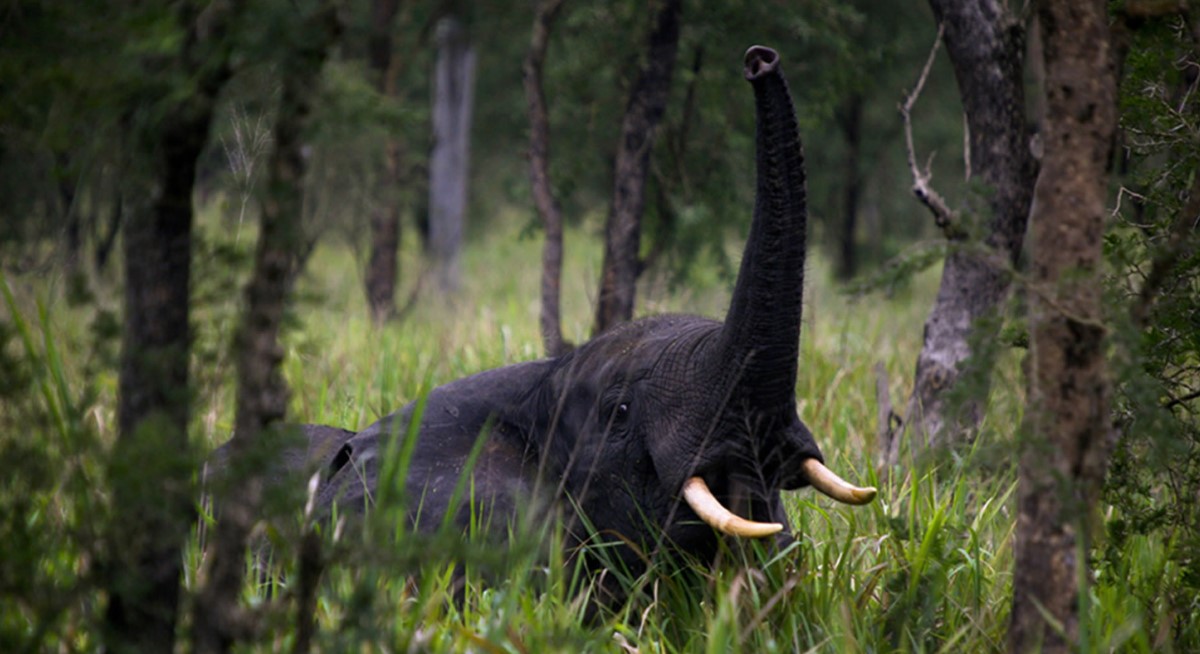
In Semuliki National Park, more than 53 mammals have been identified thus far, and we hope to find more. These mammals have found a peaceful home in the gazetted lowland tropical forest of the park. Forest elephants, Uganda kobs, warthogs, crocodiles, sitatungas, forest giant squirrels, forest buffaloes, hippos, leopards, and side-striped jackals are among the species found here.
Nine different species of primates have been identified in Semuliki National Park thus far. The well-known chimpanzees, red colobus monkeys, black and white monkeys, blue monkeys, olive baboons, de Brazza’s monkeys, vervet monkeys, and mangabeys are among these primates.
A variety of bats may be found in Semuliki National Park, including yellow-winged bats, Mauritian tom bats, straw-colored fruit bats, cyclops roundleaf bats, and small collared fruit bats. All of these animals can be found in Semuliki National Park, and if visitors spend some time exploring the park, they may be able to spot over half of them.
The best way to see mammals in Semuliki national park
Participating in nature walk activities is the greatest approach for visitors to see mammals in Semuliki National Park. Since Semuliki National Park does not offer game drives, going on nature walks is the greatest way to spot mammals. Well-trained, armed ranger guides lead you on nature hikes into the forest while shielding you from potentially harmful wildlife.
Several paths, such as the Red Tailed Monkey Trail, Nyabsurogo Gorge Hike Trail, Batwa Cultural Trail, Sempaya Nature Trail, and Kirumia Trail, are used for nature hikes in Semuliki National Park. You will have a better chance of spotting many of the park’s wild species if you use the several walking routes in Semuliki National Park.
The length of the pathways determines how long nature walks in Semuliki National Park take. Other park features, such as vegetation, water sources, birds, and much more, are seen on nature walks. From here, we recommend that visitors to Semuliki National Park engage in nature walks to enhance their chances of witnessing the abundance of wildlife that has been documented in the park.
When is the most appropriate time to visit the park?
Although Semuliki National Park is open to tourists all year round, some months are reportedly better than others. The best times to visit Semuliki National Park are during the dry season, which runs from June to September and December to February. This is because they have had a lot of sunshine and little to no rainfall, making them dry. The nature walk pathways are possible during the dry season, when there is less foliage and hazy vistas of wildlife.
During the rainy season, which runs from March to May and October to November, tourists, particularly those on a tight budget, can visit Semuliki National Park. At this point, everything is discounted, making the vacations reasonably priced. In order to draw in the few visitors from within the nation, lodges drop their rates, while tour companies lower the cost of packages. Visitors should be aware that the park receives a lot of rainfall during the rainy season, the nature walk pathways are muddy and slick, and the vegetation is tall, making it difficult to see wildlife.