Mammals of Queen Elizabeth National Park, a home to a variety of mammalian species that belong to the class Mammalia of vertebrate animals. These animals have mammary glands that generate milk to feed their young. The more than 95 species of mammals that have been documented in Queen Elizabeth National Park do reside in the park’s diverse water bodies and plant cover.
Kasese, Bushenyi, Kanungu, and Kamwenge are the districts where Queen Elizabeth National Park is located in western Uganda. One of the oldest national parks in the nation, it was gazetted by the Ugandan government in 1952. The purpose of gazetting the national park was to give enough room and safeguard the various species of animals that lived there, including mammals.
The park’s boundaries were established by the eviction of the residents who were living there at the time. By educating the public about the value of the park and its fauna, the government put a stop to poaching, which resulted in the preservation of many animals. The park is still home to all 95 of the mammals that were first documented, and you may see them as you participate in various activities.
Which animals can be found in Queen Elizabeth National Park?
It is claimed that the savannah flora of Queen Elizabeth National Park supports 95 different species of mammals. The majority of these animals may be found in various regions of the park, notably the Kasenyi Plains, Mweya Peninsula, and Ishasha Sector.
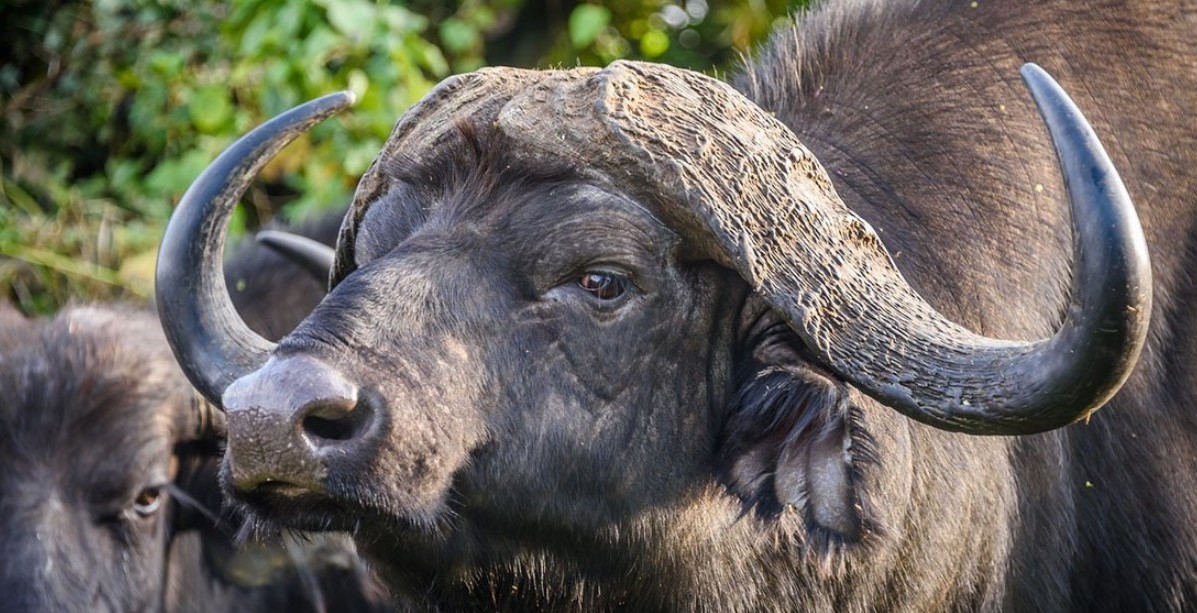
Four out of the five big mammals may be found in Queen Elizabeth National Park, one of the nation’s national parks. If you happen to visit Ishasha on a nice day, you’ll be able to see all the major animals, such as the leopards on tree branches, lions and tree climbing, elephants in the marshes, and buffaloes everywhere in the park.
Lions, buffaloes, sitatungas, elephants, topis, defassa waterbucks, bushbucks, spotted hyenas, aardvarks, Nile crocodiles, hippos, giant forest hogs, small spotted genets, serval cats, Uganda kobs, banded mongooses, side-striped jackals, and other mammals may be found in Queen Elizabeth National Park.
The most effective method for seeing mammals in this great park
Going for a Game Drive
Tourists will be able to observe a wide variety of mammal species by participating in the game drive events in Queen Elizabeth National Park. The Mweya Peninsula, Ishasha sector, and Kasenyi plains are just a few of the areas of the park where daytime game drive activities can take place, whereas night game drives are only permitted on the Mweya Peninsula.
With excellent safari vehicles, you can reach the majority of the park areas, and several game trucks have been built in the park for simple mobility. Tourists have the chance to view animals like lions, sitatungas, aardvarks, topis, buffaloes, defassa waterbucks, bushbucks, side-striped jackals, elephants, spotted hyenas, leopards, Nile crocodiles, hippos, Uganda kobs, giant forest hogs, small spotted genets, serval cats, banded mongooses, and many more on the game drives.
Boat Trips
Taking a boat tour on Kazinga Channel is one of the finest methods to observe mammals in Queen Elizabeth National Park. The Kazinga Channel boat ride is available in the morning and evening, and both times provide the same experience. The 2-hour boat tour begins at Mweya, close to Lake Edward, and continues all the way to Lake George.
Visitors on the boat tour will be able to see crocodiles and hippos in the water, as well as other animals foraging or drinking water along the coasts, particularly during the dry season. When you go on a boat excursion, you may spot a variety of mammals, including elephants, buffaloes, topis, waterbucks, bushbucks, sitatungas, and Uganda kobs.
Nature Walks
The greatest way to see various mammal species on foot is via nature walks. The Ishasha area, Kasenyi plains, and Mweya Peninsula are the best spots in the park to observe mammals, but nature hikes take place in a variety of locations. Tourists, under the protection of the armed ranger guide, will be able to observe animals such as lions, giant forest hogs, buffaloes, sitatungas, elephants, spotted hyenas, topis, defassa waterbucks, side-striped jackals, buffaloes, bushbucks, hippos, and Uganda kobs, among others.
The ideal time to see mammals of this Park
Although Queen Elizabeth National Park has mammals all year round, some times are preferable than others. The optimum time to see mammals in Queen Elizabeth National Park is during the dry season due to the low or nonexistent precipitation, sparse vegetation that allows for excellent animal viewing, and well-maintained game routes and roads that lead to the park.
Budget travelers benefit from the fact that they can still view mammals in Queen Elizabeth National Park during the rainy season because they can find lower hotel rates. The vegetation in the park is tall and dense, making it difficult to see the animals, and the rain season brings excessive rainfall that turns the game trucks and the roads leading to the park muddy and slick.