When is the best time to visit Uganda for a safari? Because the equatorial region has fluctuating weather patterns, if you’re planning an all-inclusive safari vacation to Uganda, you’ll need to know when to go. Rainfall can occur in Uganda on any day, so if it doesn’t interfere with your vacation safari, we can confidently state that you can go on a safari there at any time of year.
For the finest Africa safari experience, we ask that you continue reading to learn when the weather is dry, when the cost is a little less, or when there aren’t many visitors in the park.
Thankfully, Uganda’s national parks remain open throughout the year, even during the COVID-19 outbreak. However, you might have to abide with the guidelines for wildlife operations.
The rainy season and the dry season are the two distinct weather seasons in Uganda.
Heavy downpours and other brief showers are the hallmarks of the rainy season, which occurs in March, April, May, October, and November. Since fewer people visit Uganda during the rainy season due to bad road conditions and muddy, slick park trails and tracks, safari vacations are often less popular during this time. The dry season is marked by high temperatures and little precipitation.
The majority of visitors visit in the country during the dry season, which is a popular time for travel. The dry season attracts more visitors due of the pleasant weather with little to no rainfall, the park’s sparse vegetation, the usable roads, and the lack of muddy or drowsy vehicles and paths.
The weather is perfect for traveling to Uganda.
For tourists traveling to Uganda for safaris, the country’s temperatures make things comfortable and ideal. Although it is cooler at elevations exceeding 1300 meters above sea level, such as in the mountain gorilla national parks of Bwindi Impenetrable Forest National Park and Mgahinga, Uganda has an average yearly high temperature of 29°C and an average low temperature of 17°C.The majority of the country’s days are bright, with temperatures rarely climbing beyond 29°C.The equator, which runs across the nation, primarily regulates the weather patterns. Kayabwe village in the Mpigi area is the ideal location for exploration.
The Rainy Season
In Uganda, March, April, May, October, and November are the rainy season months.
One of Uganda’s two rainy seasons, which lasts from March to May, is so intense that it prevents you from enjoying a safari vacation. The second rainy season, which lasts from October to November, features light showers that highlight the verdant plains that are home to some of the most striking fauna.
The rainy season does not always mean that human activity is hindered by constant rain. For one to three hours, there may be heavy rain or thunderstorms, and the remainder of the day will be winterlike. However, during these brief periods, the sun may appear and warm up.
Additionally, once the season starts, the rains might follow a consistent schedule. For example, during the season, the rain may only fall during certain times of the day or in the evening.
A safari to the gem of Africa is not recommended during the hot, rainy months of March, April, and May. Trails that have been washed away may make certain locations and routes inaccessible. It is challenging to go gorilla trekking during the rainy season due to muddy and slick hiking pathways and dense foliage that makes it tough to see the wild creatures and birds. Because there aren’t many tourists during this time of year, lodging establishments close or offer discounts.
However, you may take advantage of the low season rates during the brief rainy season in October through November, when practically all lodging establishments offer discounts. There are numerous birds and other creatures to be observed in the jungle because of the abundance of greenery, the fresh, green leaves, and the abundance of tree fruits. Black-headed gulls, common cuckoos, turtle doves, and many other migrating species from Europe and North Africa are best seen during the wet season.
Because mountain gorillas dwell at lower elevations to avoid the frigid temperatures up there, they do not need to forage to higher elevations, making gorilla trekking during the wet season a great experience. However, you should be aware that the routes become muddy and slick due to the considerable rainfall that occurs throughout the rainy season. Additionally, the foliage is dense, making photographing challenging.
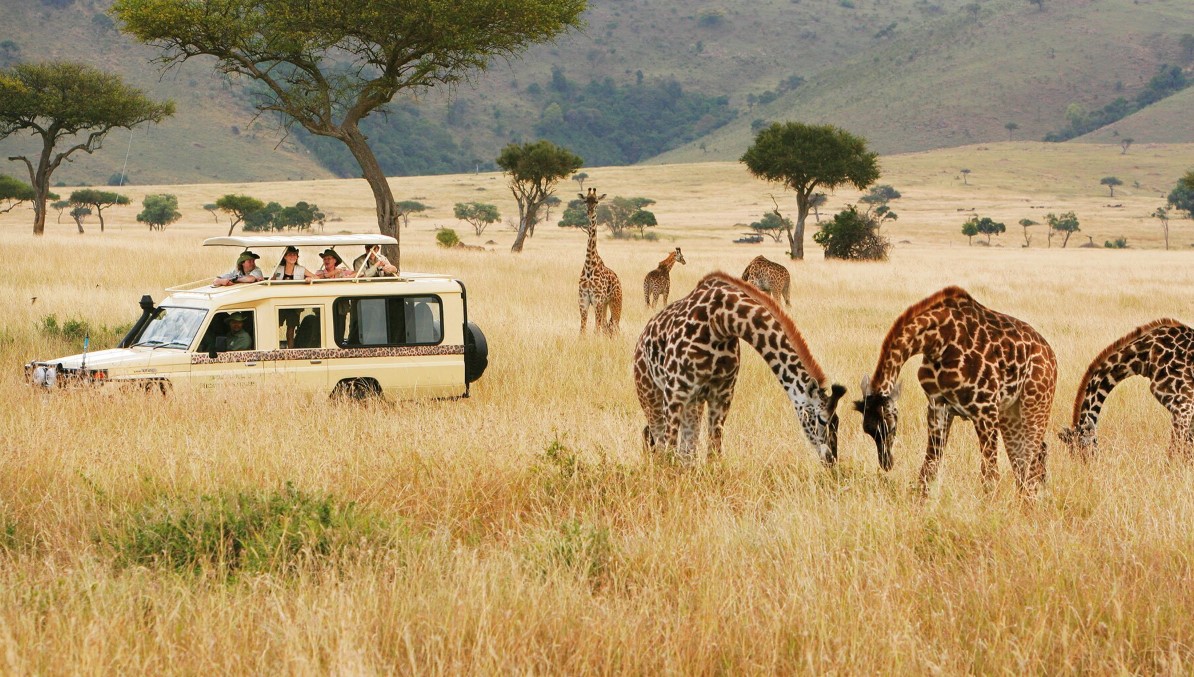
The greatest time to go on a safari in Uganda on the plains is in October and November, which is also the minor rainy season. Animals are dispersed throughout the parks, and the grass is short, lush, and nourishing. Finding the animals in the national parks doesn’t need a lengthy journey.
The Dry Season
The months of June, July, August, September, December, January, and February are when Uganda has its rainy season. In Uganda, these months are said to be the greatest times to see wildlife because of the abundance of sunshine. During these dry months, there is little to no rainfall, particularly in the northern Kidepo Valley National Park and the northwest Murchison Falls National Park. Queen Elizabeth National Park and Lake Mburo National Park. The majority of park animals congregate near water sources to drink during the dry season.
The best time of year to go on a gorilla trek, gorilla habituation, or chimpanzee tracking experience in Kibale Forest Park is during the dry season because the roads leading to the parks are passable and the trails are dry and not slippery in the southwest of the country, where gorilla trekking is conducted in Bwindi Impenetrable Forest National Park and Mgahinga Gorilla Park. Since there is little foliage to conceal them, it is easy to notice the creatures, especially around water sources where they congregate to drink.
The months of June through September, when there is little to no rainfall and an abundance of food in the national parks, are preferred by certain individuals. Birdwatchers may readily view migrating birds from Asia, Eastern Europe, and Siberia areas in the parks from November to April. Mornings are the ideal time of day to see the bird’s months at the park. The dry months of January, February, and March are when you can view the uncommon shoebill stork.
The cost of a Uganda safari is often higher during the dry season, which includes June, July, August, and September. Most tourists choose these months since it is cooler and the rain isn’t too bad. throng at the park during the busiest time of year.
Additionally, December is often crowded with vacationers making reservations, particularly around Christmas. To prevent disappointments, it is recommended that you make reservations three to four months in advance.
Because there is a plenty of food for them on the lower slopes of the mountains, climbing mountain gorillas in December is less taxing and finding them will take less time.