
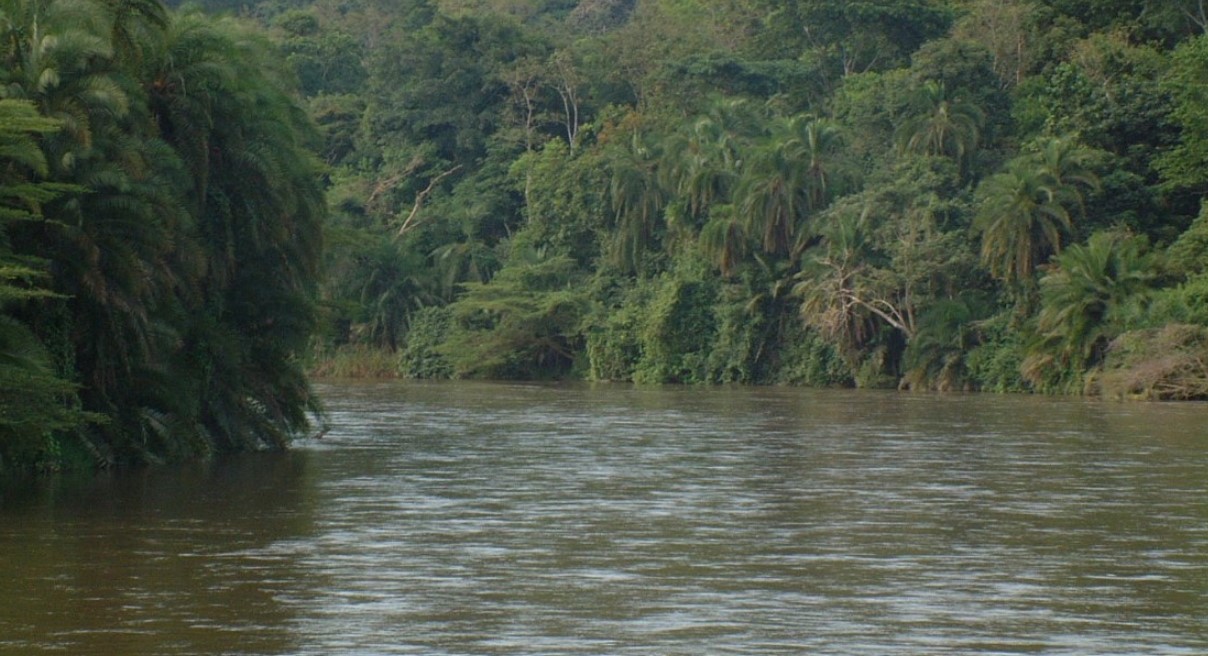
Nestled in the heart of Uganda’s rift valley, Wasa River winds its way north through the low-lying plains of the Toro-Semliki Wildlife Reserve. Far from the bustle of major tourist hubs, this waterway flows amidst a mosaic of savannah, woodland, palm patches, and lush riverine forest, offering a unique slice of Africa’s wild soul.
Though less famous than some of Uganda’s big rivers, Wasa River is special: a venue where forest and savannah meet, where forest-dwelling and savannah wildlife coexist, and where travellers can connect directly with nature’s rhythms. In this post, we explore its ecology, wildlife, communities, and why it deserves your travel bucket list.
Wasa River, Rift-Valley Landscape & Reserve History
Location of Wasa River
Wasa River flows through the Toro-Semliki Wildlife Reserve (also known as Semuliki Wildlife Reserve), a protected area covering about 542 km² in western Uganda, near Lake Albert at the floor of the rift valley
Geography & Vegetation of the Valley
The reserve lies between dramatic geological features: the eastern rift escarpment, the foothills of the Rwenzori Mountains, and the western horizon of the Congolese Blue Mountains
The terrain includes savannah and acacia-combretum woodland, interspersed with patches of Borassus palm forest, but along Wasa River (and other watercourses) the vegetation shifts sharply into rich gallery or riverine forests narrow but dense strips of 30–50 m tall trees and a lush understory
Wildlife around Wasa river in semuliki
Wasa River and the surrounding gallery forests and savannah plains host a rich array of wildlife, making it a lesser-known but rewarding destination for wildlife lovers, birdwatchers, and photographers.
Mammals & Primates
In the savannah and woodland around Wasa, one may see grazers such as Uganda Kob, waterbuck, buffalo, warthog, giant forest hog, as well as hippos near the water
Primates, including vervet monkeys, red-tailed monkeys, black-and-white colobus monkeys, and baboons, among others, inhabit forest patches and riverine woodland, offering primate-walk experiences for visitors.
Birdlife & Aquatic Species
The combination of forest, savannah, water, and swamp creates ideal habitats for an impressive diversity of birds. Local birdwatchers should keep an eye out for species such as ground-hornbills, various barbets, turacos, and aquatic birds along the river
In wetter zones and along watercourses you may also spot hippos, aquatic reptiles, and other water-dependent fauna
Landscape-Level Biodiversity
The rift-valley floor, escarpment slopes, forest patches, savannah plains, and wetlands together create a variety of microhabitats in close proximity, a major reason why the reserve (and by extension Wasa River) supports such ecological richness.
What Wasa River Offers to Visitors
Serene Nature Walks & Birding The gallery forests and riverine corridors along Wasa offer peaceful walking trails where birdwatchers and nature lovers can explore a mix of forest and savannah habitats.
Wildlife Viewing Beyond the Usual Because Wasa cuts through savannah and woodland (rather than dense rainforest or open savannah exclusively), it offers a different kind of wildlife viewing: mixed-habitat species, primates, antelopes, hippos, and wetland birds.
Scenic Landscape & Rift-Valley Vistas The rift-valley setting, with escarpments, distant mountain silhouettes, and a mix of plains and forest, makes for compelling scenery ideal for photography, tranquility seekers, and off-the-beaten-path travellers.
Cultural & Community Encounters Visiting Wasa and the surrounding reserve gives insight into the lifestyles of local communities (farmers, pastoralists, and fishers), offering a more intimate, grassroots encounter with Uganda’s western region.
Travel Tips & What to Know Before Visiting
Access & Location: Wasa River lies in the Toro-Semliki Wildlife Reserve (Ntoroko and Kabarole districts, western Uganda). The reserve floor sits at a lower altitude (≈ 700 m above sea level)
Best Time to Visit: Because the reserve landscape is a mixture of woodland, savannah, and watercourses, dryness may influence river water levels; bringing binoculars and planning for early morning or late afternoon excursions maximizes chances for wildlife sightings.
What to Bring: Given varied habitats from riverine forest to savannah, prepare for mixed conditions: good walking shoes, sun protection, insect repellent, and for birders: binoculars/camera lenses.
Respect the Environment & Local Communities: Wasa River and its surroundings are not just a “tourist zone,” but a living ecosystem for wildlife and people. Keep noise low, avoid littering, and respect local customs if interacting with communities.
Conclusion
Wasa River quietly threading through savannah, woodland, forest, and rift-valley plains embodies a seldom-celebrated kind of wilderness: subtle, diverse, and layered. It may not have the fame of major rivers or national parks, but for travellers who love solitude, ecological diversity, birding, and off-the-beaten-path adventures, Wasa offers a rich, rewarding experience.
Visiting Wasa is not just about “seeing wildlife”; it’s about entering a living mosaic where forest and savannah meet, where communities and nature live side by side, and where the rhythms of an ancient landscape still pulse quietly.