
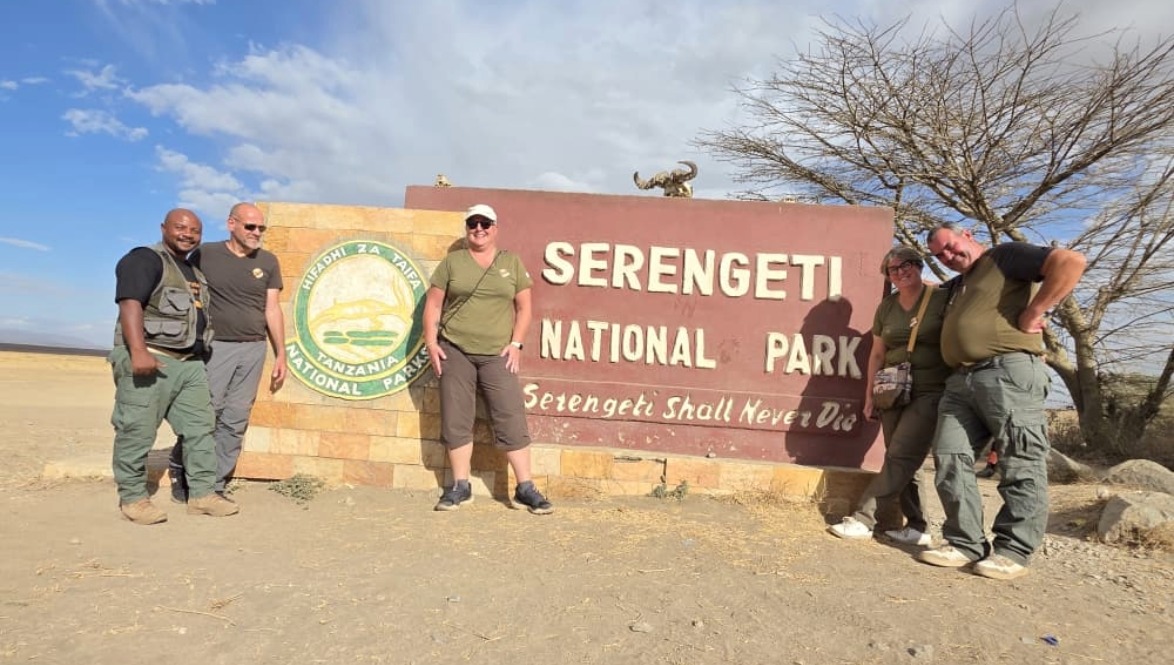
Planning a 7 Day Tanzania Safari? Discover the extraordinary wildlife, breathtaking landscapes and unforgettable safari experiences that make Tanzania one of Africa’s most remarkable travel destinations.
This seven-day Tanzania safari itinerary will help you explore the highlights of your journey, understand what to expect each day and plan an adventure that suits your travel interests. Whether you are visiting Tanzania for the first time or returning for another wildlife experience, RoadEyes Africa can help you plan a memorable safari.
7-Day Tanzania Safari at a Glance
- Route: Arusha, Tarangire National Park, Serengeti National Park, Ngorongoro Crater, Arusha
- Duration: 7 days and 6 nights
- Best for: First-time safari travelers, couples, families, photographers and wildlife lovers
- Main wildlife: Elephants, lions, leopards, cheetahs, giraffes, zebras, buffalo, hippos, wildebeest and black rhino
- Starting and ending point: Arusha, with arrival and departure at Kilimanjaro International Airport (JRO)
- Transport: Four-wheel-drive safari vehicle with a pop-up roof, or domestic flights if you prefer to save driving time
Why Choose a 7-Day Tanzania Safari?
Seven days is the sweet spot for many travelers. It is long enough to explore three of Tanzania’s most famous wildlife areas without feeling rushed, yet short enough to fit into a normal vacation. You get variety too: the elephant herds and giant baobabs of Tarangire, the wide-open savannah of the Serengeti and the dramatic volcanic caldera of Ngorongoro.
A week-long itinerary also gives you two full days in the Serengeti, which greatly improves your chances of seeing predators hunting, big cats resting and, depending on the season, the Great Migration.
Day-by-Day: Your 7-Day Tanzania Safari Itinerary
Day 1: Arrival in Arusha
You arrive at Kilimanjaro International Airport, where your guide meets you and drives you to your lodge in Arusha, usually about an hour away. Spend the afternoon resting, enjoying the garden setting beneath Mount Meru and meeting your guide for a trip briefing. If you arrive early, you can visit a local market or a coffee farm.
Overnight: Arusha lodge or hotel
Day 2: Arusha to Tarangire National Park
After breakfast, drive roughly two to three hours to Tarangire National Park. This park is famous for its large elephant herds and its ancient baobab trees. During the dry season, from about June to October, animals gather along the Tarangire River, making game viewing outstanding.
Expect to see elephants, giraffes, zebras, wildebeest, buffalo and a wide variety of birds. Lions and leopards are also present, and the park is known for tree-climbing pythons and rock-resting lions.
Overnight: Lodge or tented camp in or near Tarangire
Day 3: Tarangire to the Serengeti
This is a long but rewarding travel day. You leave Tarangire after an early breakfast and drive through the highlands near Ngorongoro to the Serengeti. On the way you can stop at Olduvai Gorge, often called the cradle of mankind, where early human fossils were discovered. If time allows, enjoy a picnic lunch and a first game drive on the plains as you enter the Serengeti.
If you prefer to save time, many operators offer a domestic flight from Arusha or Lake Manyara to an airstrip in the Serengeti, which can turn this day into a full game-viewing day.
Overnight: Lodge or tented camp in the central Serengeti
Day 4: Full Day in the Serengeti
Wake up early for a sunrise game drive, when predators are most active and the light is perfect for photography. The central Serengeti, around Seronera, is one of the best areas in Africa for seeing lions, leopards and cheetahs. After a late breakfast or a packed breakfast in the bush, continue exploring the plains, river valleys and kopjes (rocky outcrops).
Depending on the time of year, you might also see large herds of wildebeest and zebra on the move. Return to camp for a rest during the hot midday hours, then head out again for an afternoon game drive.
Optional extra: A sunrise hot air balloon safari over the Serengeti, followed by a champagne breakfast in the bush. This must be booked in advance and is not included in most standard packages.
Overnight: Lodge or tented camp in the Serengeti
Day 5: Another Full Day in the Serengeti
On your second full day, your guide can adjust the route based on recent sightings and the location of the Great Migration herds. In the dry season, you may head north toward the Mara River, while in the calving season, from about January to March, the southern plains near Ndutu are the highlight.
A full-day game drive with a picnic lunch is a great way to explore deeper into the park and get more time with each sighting. Evenings in the Serengeti are quiet and magical, with a sky full of stars far from any city lights.
Overnight: Lodge or tented camp in the Serengeti
Day 6: Serengeti to Ngorongoro Conservation Area
After a final morning game drive, you leave the Serengeti and drive to the Ngorongoro Conservation Area, enjoying views and wildlife along the way. You arrive at your lodge on or near the crater rim in the afternoon, where many rooms offer breathtaking views over the caldera. Use the rest of the day to relax and enjoy the scenery.
Overnight: Lodge on or near the Ngorongoro crater rim, or in nearby Karatu
Day 7: Ngorongoro Crater and Departure
An early start is the secret to the best Ngorongoro experience. You descend about 600 meters to the crater floor for a half-day game drive. Inside this natural enclosure live lions, hyenas, zebras, wildebeest, hippos, flamingos at times and some of the last remaining black rhinos in Tanzania.
After a picnic lunch by a hippo pool, you climb out of the crater and drive back to Arusha, which takes about three to four hours. You can be dropped at Kilimanjaro International Airport for your flight home, so plan an evening departure to avoid rushing.
End of services
Best Time for a 7-Day Tanzania Safari
Tanzania can be visited all year, but the experience changes with the seasons.
- June to October (dry season): The best time for general game viewing. Animals gather near water and the Great Migration reaches the northern Serengeti. This is also the busiest and most expensive period.
- January to March (calving season): Large herds and many newborn animals gather on the southern Serengeti plains, attracting predators. A superb time for dramatic wildlife action.
- April to May (long rains): Fewer visitors, green scenery and lower prices, but some roads and camps can be affected by heavy rain.
- November to December (short rains): Lighter showers, great birdwatching and a good balance of value and wildlife.
Because the herds move with the rains, your guide will adapt the Serengeti days of your itinerary to where the action is.
Safari Styles and Accommodation Options
Your 7-day Tanzania safari can be arranged at different comfort levels to match your budget.
Budget safari
Basic lodges and camping, shared group departures and simple meals. A good choice for adventurous travelers who want to keep costs low.
Mid-range safari
Comfortable lodges and permanent tented camps with private bathrooms, good food and well-located views. This is the most popular option for couples and families.
Luxury safari
High-end lodges, private game drives, gourmet dining and sometimes domestic flights between parks. Ideal for honeymooners and travelers who want maximum comfort.
What Is Included in a Typical 7-Day Tanzania Safari Package?
Exact inclusions vary by operator, so always check your quote carefully. A typical package includes:
- Airport transfers
- Accommodation for six nights
- Meals as stated in the itinerary (usually full board on safari)
- Private or shared 4×4 safari vehicle with a pop-up roof
- Professional English-speaking driver-guide
- National park and conservation area entry fees
- Bottled drinking water during game drives
- Government taxes and fees
Things that are usually not included are international flights, visas, travel insurance, tips for guides and staff, alcoholic drinks, laundry and optional activities such as a hot air balloon ride.
What Affects the Cost of a 7-Day Tanzania Safari?
Tanzania safari prices vary widely, and a transparent operator will explain exactly what you are paying for. The main factors are:
- Season: Peak months cost more than the green season.
- Accommodation level: Camping, mid-range lodges and luxury camps have very different rates.
- Group size: Traveling in a group of three or four usually lowers the per-person cost of the vehicle and guide.
- Private or shared tour: A private safari costs more but gives you full control over the schedule.
- Flights or driving: Domestic flights save time but add to the cost.
- Park fees: Entry fees to the Serengeti and Ngorongoro are a large part of the total price and may change, so always confirm current rates with your operator.
What to Pack for a Tanzania Safari
- Lightweight, neutral-colored clothing (khaki, green, beige)
- A warm jacket or fleece for chilly mornings and the Ngorongoro rim
- A wide-brimmed hat, sunglasses and high-SPF sunscreen
- Comfortable closed shoes or walking sandals
- Binoculars and a camera with a zoom lens
- Insect repellent and any personal medication
- Power bank and universal adapter
- Soft-sided luggage, which is easier to pack into safari vehicles and small aircraft
Practical Tips for Your Tanzania Safari
- Book early. Good lodges for the peak months fill up well in advance.
- Check entry requirements. Confirm visa rules and any health document requirements for your nationality before you travel.
- Speak to a doctor. Ask about malaria prevention and recommended vaccinations well ahead of time.
- Get travel insurance. Make sure it covers medical care and evacuation.
- Respect wildlife. Stay in the vehicle unless your guide says otherwise, keep your voice low and never feed animals.
- Tip your team. Guides, cooks and camp staff rely on tips, so budget for them.
Extend Your Trip: Zanzibar Beach Add-On
Many travelers finish their 7-day Tanzania safari with a few days of relaxation on the beaches of Zanzibar. A short flight from Arusha takes you to white sand, warm turquoise water and the historic streets of Stone Town. It is a perfect add-on for honeymooners and anyone who wants to balance adventure with rest.
Frequently Asked Questions
Is 7 days enough for a Tanzania safari?
Yes. Seven days allows you to visit Tarangire, the Serengeti and Ngorongoro Crater at a comfortable pace and see a wide range of wildlife. If you want to explore more remote parks or add a beach stay, consider 9 to 12 days.
Can I see the Big Five on a 7-day Tanzania safari?
On this northern circuit you have a good chance of seeing lions, elephants, buffalo and leopards, and black rhinos are often spotted in the Ngorongoro Crater. Wildlife is never guaranteed, but an experienced guide greatly improves your chances.
What is the best month for a 7-day Tanzania safari?
August and September are excellent for classic game viewing, while February is ideal for calving season. The best choice depends on your budget and what you most want to see.
Is a private or group safari better?
A private safari gives you flexibility and a personal pace, while a group departure is more affordable and a good way to meet other travelers.
Is a 7-day Tanzania safari suitable for children?
It can be, especially for older children who can handle long drives. Check the minimum age rules at lodges and for activities, and ask your operator to adjust the schedule for families.
Do I need to book a 7-day Tanzania safari in advance?
We recommend booking several months ahead for peak season and at least a few weeks ahead for the green season, so you can secure the best lodges and your preferred dates.
Final Thoughts: Your Ultimate Wildlife Adventure Awaits
A 7-day Tanzania safari combines the best of East Africa in one unforgettable journey: elephants in Tarangire, big cats in the Serengeti and the incredible wildlife density of Ngorongoro Crater. With a well-planned itinerary and an experienced guide, it is an adventure you will remember for a lifetime.