
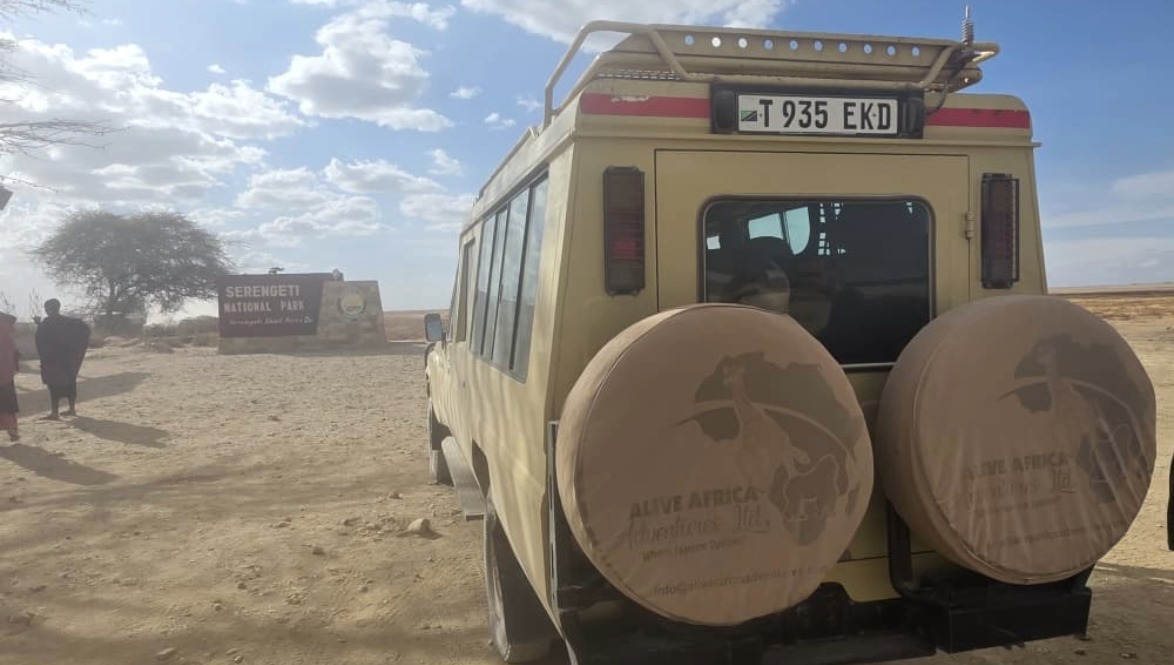
Planning a wildlife adventure and wondering about the best time to visit Tanzania for a safari? Tanzania offers unforgettable wildlife experiences throughout the year, but the ideal travel season depends on what you want to see.
The dry season, from June to October, is generally excellent for game viewing, while January and February offer opportunities to witness the wildebeest calving season in the southern Serengeti. Whether you dream of seeing the Great Migration, exploring Ngorongoro Crater or enjoying quieter safari experiences, this guide will help you choose the right month for your Tanzania adventure.
Quick Answer – The Best Time to Visit Tanzania for a Safari
For most travelers, the best time for a Tanzania safari is the dry season, from late June to October. Skies are clear, the grass is short, animals gather around rivers and waterholes, and game viewing is at its peak. This is also when the Great Migration herds reach the northern Serengeti and the dramatic Mara River crossings take place.
If you prefer fewer crowds and lower rates, January to March is an excellent alternative. The wildebeest calving season in the southern Serengeti and the Ndutu area brings thousands of newborn animals and the predators that follow them.
- Best overall game viewing: late June to October
- Best for the Great Migration river crossings: July to September
- Best for calving season and predator action: January to March
- Best for lower prices and quiet parks: April, May and November
- Best for birdwatching: November to April
Tanzania’s Safari Seasons at a Glance
Tanzania sits just south of the equator, so its seasons are defined by rainfall rather than by hot and cold. There are four broad periods to understand.
The long dry season (late June to October) – Best Time to Visit Tanzania for Safari
This is the peak safari season. Rain is rare, days are warm and sunny, and nights and early mornings can be cool, especially at higher altitudes such as the Ngorongoro Crater rim. Vegetation thins out and animals concentrate near permanent water, which makes wildlife easier to find.
The short dry season (January to February)
After the short rains, the land is green and the weather is warm and mostly dry. This is a wonderful time to visit the southern Serengeti and Ndutu, where the calving season takes place.
The long rains (March to May) – Best Time to Visit Tanzania for Safari
This is the green or low season. Rain falls in heavy bursts, often in the afternoon, and some camps in remote areas close for a few weeks. In return, you get lush scenery, dramatic skies, very few visitors and the lowest accommodation rates of the year.
The short rains (November to December)
The short rains are lighter and less predictable than the long rains. Landscapes turn green, migratory birds arrive, and the Great Migration herds begin heading back south. It is a good shoulder season with fewer crowds.
Why the Dry Season (June to October) Is the Most Popular
If you ask ten safari guides for the best time to visit Tanzania, most will say the dry season. Here is why.
- Easier wildlife spotting: Short grass and thin bush mean animals are easier to see.
- Animals gather at water: Rivers and waterholes become natural stages for elephants, buffalo, giraffes and big cats.
- Fewer mosquitoes: Dry weather means lower mosquito activity, although you should still take malaria precautions.
- Great Migration drama: From roughly July to September, huge herds of wildebeest and zebra cross the crocodile-filled Mara River in the northern Serengeti.
- Better road conditions: Tracks are dry and passable, so you can reach more remote areas.
The trade-off is that this is the busiest and most expensive time of year. Popular lodges and camps often sell out many months ahead, so book early if you plan to travel from July to September.
Calving Season: January to March in Ndutu and the Southern Serengeti
Many experienced travelers consider the calving season the most exciting time to be in Tanzania. In the southern Serengeti and Ndutu area, hundreds of thousands of wildebeest calves are born over a few weeks, usually peaking in February.
This abundance draws lions, cheetahs, leopards and hyenas, so you can witness real predator and prey action. Because the herds are spread across open plains, the sightings are dramatic and the crowds are generally smaller than during the river-crossing months.
Keep in mind that the exact timing of the migration depends on the rains, so it can shift from year to year. A good safari planner will help you choose camps in the right area for your travel dates.
Where Is the Great Migration Each Month?
The Great Migration is a continuous, year-round circular movement of more than a million wildebeest, along with zebras and gazelles, through the Serengeti-Mara ecosystem. Here is a general guide to where the herds are found.
- January to March: Southern Serengeti and Ndutu. Calving season, lots of predators.
- April to May: Herds move north through the central Serengeti (Seronera) and toward the Western Corridor during the long rains.
- June to July: Western Corridor and Grumeti River crossings, then the herds begin moving north.
- July to September: Northern Serengeti and the Mara River. This is the classic river-crossing season.
- October to November: Herds begin to drift back south through the northern and eastern Serengeti.
- December: Herds return to the southern plains as the short rains arrive.
Remember that the migration is driven by rainfall and grazing, not by a calendar, so these months are guidelines rather than guarantees.
Best Time to Visit Each Tanzania National Park
Serengeti National Park – Best Time to Visit Tanzania for Safari
The Serengeti offers wildlife viewing all year. The southern Serengeti is best from January to March, the Western Corridor from May to July, and the northern Serengeti from July to October. The central Serengeti (Seronera) has resident lions, leopards and cheetahs and is rewarding throughout the year.
Ngorongoro Crater
The crater floor holds one of the densest concentrations of wildlife in Africa, including black rhino, lions, hippos and huge herds of grazers. Animals live in the crater all year, so it can be visited at any time. The dry months from June to October offer the easiest conditions, but the crater is also at its busiest then. Consider visiting in the early morning to avoid crowds.
Tarangire National Park – Best Time to Visit Tanzania for Safari
Tarangire is famous for its large elephant herds and giant baobab trees. The best time to visit is the dry season, from June to October, when animals crowd along the Tarangire River. It is a fantastic park for travelers who want great game viewing with fewer vehicles than the Serengeti.
Lake Manyara National Park
Lake Manyara is known for its birdlife, tree-climbing lions and hippo pools. It is rewarding all year, but the wetter months from November to April are particularly good for birds, including flamingos at times.
Southern and Western Tanzania (Nyerere, Ruaha and Mahale)
These remote parks are best in the dry season, from June to October, when wildlife concentrates at rivers and the bush is more open. Mahale Mountains is a top choice for chimpanzee tracking, with the drier months from May to October generally the most comfortable for hiking.
Best Time to Visit Tanzania Based on Your Travel Style
First-time safari travelers
Choose July to October for the most reliable weather and wildlife viewing. If you prefer a quieter experience, try late June or early October.
Photographers
The dry season gives clear light and open views. For dramatic skies and green backdrops, the months of January, February and November can also be spectacular.
Travelers on a budget
April, May and early June offer the lowest rates, with discounts at many lodges and camps. Just pack rain gear and be flexible about road conditions.
Honeymooners and couples
Both the calving season (January to March) and the dry season (July to October) work beautifully. Many couples combine a safari with a few relaxing days on the beaches of Zanzibar, which are lovely from June to October and from December to February.
Families with children
The dry season is easiest for families because roads are good, game viewing is reliable and the weather is comfortable. Check minimum age requirements for lodges and activities when you book.
Birdwatchers
November to April is the best period, when migratory birds from Europe and Asia join the resident species.
Tanzania Safari by Month: A Quick Guide
- January: Warm and green. Calving season starts in the south. Great for predators.
- February: Peak calving. One of the best months for wildlife action and fewer crowds.
- March: Rains begin. Herds are still in the south. Good rates and quiet parks.
- April: Long rains. Lush scenery, lowest prices, some camps closed.
- May: Still wet but the herds move north. Good for budget travelers.
- June: Rains ease and the dry season begins. Herds in the Western Corridor.
- July: Start of peak season. Herds head to the northern Serengeti.
- August: Peak river crossings. Dry, sunny and busy.
- September: Excellent game viewing and slightly fewer crowds than August.
- October: Still dry, with herds in the north. Good value toward the end of the month.
- November: Short rains begin. Green landscapes, birds and lower rates.
- December: Festive season. Herds return south and prices rise again.
Practical Tips for Planning Your Tanzania Safari
- Book early for peak months. Lodges and camps for July to October and the Christmas period fill up many months in advance.
- Allow enough time. A minimum of five to seven days lets you see more than one park without rushing.
- Pack in layers. Early morning game drives can be cold, even in the dry season, while the midday sun is strong.
- Take health precautions. Speak to a doctor or travel clinic about malaria prevention and recommended vaccinations well before you travel.
- Choose a reputable operator. An experienced local safari company will match your dates, budget and interests to the right camps and routes.
- Be flexible. Wildlife and weather are never fully predictable, and that is part of the magic of a safari.
Frequently Asked Questions – Best Time to Visit Tanzania for Safari
What is the best month to visit Tanzania for a safari?
August and September are widely considered the best months for classic game viewing and Great Migration river crossings. February is the top choice for calving season and predator action.
What is the cheapest time to visit Tanzania for a safari?
The low season, from April to early June and in November, usually offers the lowest rates on lodges and camps.
Can you do a safari in Tanzania during the rainy season?
Yes. The rainy season brings lush scenery, newborn animals, fewer visitors and great birdwatching. Rain usually comes in short, heavy bursts rather than all-day downpours, though some roads and remote camps can be affected.
When can I see the Great Migration river crossings?
The Mara River crossings in the northern Serengeti usually take place between July and September, and sometimes into October. Timing varies with the rains.
How many days do I need for a Tanzania safari?
We recommend at least five to seven days to see the main northern circuit parks, such as Tarangire, Ngorongoro and the Serengeti. Ten days or more allows you to explore more remote areas or add a beach stay.
Is Tanzania safe for safaris?
Safari tourism in Tanzania is well established, and traveling with a licensed operator and experienced guides is the best way to stay safe. Always check your government’s latest travel advice before you go.
Final Thoughts: When Should You Go? – Best Time to Visit Tanzania for Safari
Alive Africa Adventures. There is no single perfect month, because the best time to visit Tanzania for a safari depends on your priorities. Choose July to October for the classic dry-season safari and river crossings, January to March for calving season and big cat action, or April, May and November for quiet parks, green landscapes and better value.