
A Ngorongoro Crater Safari offers one of Tanzania’s most extraordinary wildlife experiences, bringing travellers face-to-face with Africa’s iconic animals against the breathtaking backdrop of an ancient volcanic caldera. From lions and elephants to buffaloes, hippos and the rare black rhino, the crater is renowned for its remarkable wildlife viewing opportunities.
Located within the Ngorongoro Conservation Area in northern Tanzania, this spectacular destination is a highlight of many guided Tanzania safari itineraries. Whether you’re visiting for the first time, combining Ngorongoro with the Serengeti or planning a private wildlife adventure, understanding the best time to visit, safari costs and available experiences will help you make the most of your journey.
In this complete guide, Alive Africa Adventures explores Ngorongoro Crater wildlife, safari prices, travel tips and practical planning advice to help you prepare for an unforgettable African safari.
Many travellers combine a Ngorongoro Crater Safari with a visit to Serengeti National Park for a more complete Tanzania wildlife adventure. If you’re planning a longer journey, explore our Serengeti National Park Safari guide and discover the best time to witness the Great Migration in Tanzania.
Ngorongoro Crater at a Glance
- Location: Northern Tanzania, within the Ngorongoro Conservation Area, between Lake Manyara and the Serengeti
- What it is: One of the largest intact volcanic calderas in the world, formed when a giant volcano collapsed millions of years ago
- Size: About 260 square kilometers across the crater floor, with walls rising roughly 600 meters
- Status: Part of a UNESCO World Heritage Site, recognized for both its natural and cultural importance
- Famous for: Dense wildlife, black rhinos, lions and stunning scenery
- Nearest gateway: Arusha, usually about three to four hours by road to the crater rim
- Best for: First-time safari travelers, photographers and anyone short on time
Why Visit Ngorongoro Crater?
The crater is a natural enclosure, and many of the animals live here all year. Permanent water, fresh grazing and forest cover mean the animals do not need to leave, so game viewing is consistently good. Because the crater floor is relatively compact, you can often see several species in a single morning without long drives.
The views alone are worth the trip. From the rim, you look down on grasslands, a soda lake, swamp, springs and forest, all framed by green crater walls. At dawn, clouds often fill the bowl, and the light as it clears is unforgettable.
Wildlife You Can See in Ngorongoro Crater
Several thousand large animals live in the crater at any time. Here are the highlights.
Lions
The crater has a healthy lion population, and sightings are very common. You may find prides resting in the grass or hunting zebra and wildebeest in the early morning.
Black rhinos
Ngorongoro is one of the few places in Tanzania where you have a real chance of seeing the critically endangered black rhino. Numbers are small and sightings are never guaranteed, but experienced guides know where to look. Bring binoculars, because rhinos are often seen at a distance.
Elephants
Many of the elephants in the crater are large, old bulls, often found near the Lerai Forest. You may see them walking slowly across the plains or feeding in the trees.
Buffalo, hippos and hyenas
Buffalo graze in large herds, hippos wallow in pools and spotted hyenas patrol the plains. Hyenas are often seen at close range and are fascinating to watch.
Plains game
Wildebeest, zebra, Thomson’s gazelle, Grant’s gazelle, eland, waterbuck and warthog are common. The size of the herds against the backdrop of the crater walls makes for superb photographs.
Other mammals
Look for jackals, servals, bat-eared foxes and, if you are very lucky, a cheetah. Leopards live in the forested areas, but they are shy and rarely seen on the crater floor.
Birds
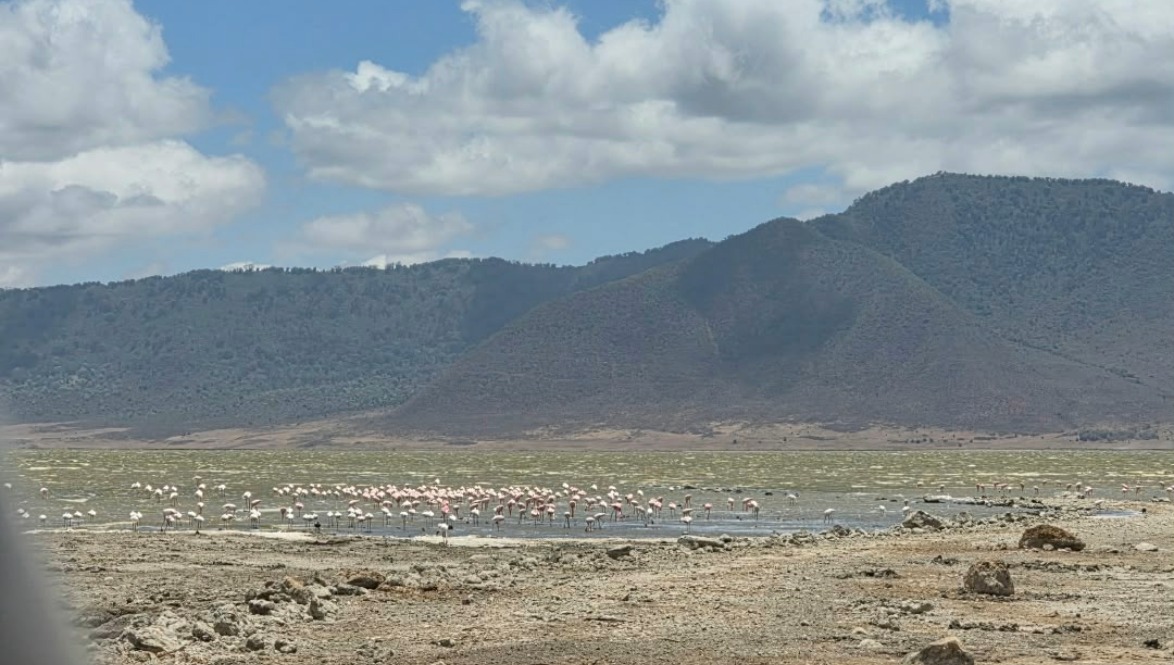
The crater has hundreds of bird species, including flamingos at Lake Magadi in some seasons, ostriches, secretary birds, kori bustards, crowned cranes and many raptors. Birdlife is particularly rich in the wetter months.
Key Places Inside the Crater
- Lake Magadi: A shallow soda lake at the center of the crater, which often attracts flamingos and other waterbirds.
- Lerai Forest: A fever tree forest on the western side, popular with elephants, monkeys and baboons.
- Ngoitokitok Springs: A picnic area with a hippo pool, where visitors can have lunch in a designated spot with views over the water. Keep food covered, as kites and other birds are quick to steal it.
- Munge Stream and the swamp areas: Good for buffalo, waterbuck and birdlife.
- The open plains: Where you will find the largest herds of wildebeest and zebra, and where lions and hyenas patrol.
Best Time to Visit Ngorongoro Crater
Because the animals live in the crater all year, you can enjoy a Ngorongoro Crater safari at any time. Your choice depends on the weather, the crowds and your budget.
- Dry season (June to October): Clear skies, easier driving and good visibility. This is the busiest and most expensive time, so the crater can feel crowded in the middle of the day.
- Short rains (November to December): Green scenery, lower prices and fewer visitors. Showers are usually brief.
- Calving season (January to March): Lush landscapes and plenty of young animals. Many travelers pair the crater with the southern Serengeti at this time.
- Long rains (April and May): The wettest period, with the lowest rates and the fewest visitors. Roads can be muddy, and some camps may close.
Remember that the crater rim sits at high altitude and can be cold and misty, especially in the early morning and in the rainy season. Pack warm layers whatever the month.
How Much Does a Ngorongoro Crater Safari Cost?
Costs depend on how you travel, when you go and where you stay. Fees change from time to time, so always ask your safari operator for an up-to-date written quotation. These are the main elements that make up the price.
Conservation area entry fees
Visitors pay a daily fee to enter the Ngorongoro Conservation Area. Rates are different for non-residents, East African residents and Tanzanian citizens, and they are usually higher for adults than for children.
Crater service fee
Going down onto the crater floor usually involves a separate crater service fee, charged per vehicle. Visits are often limited to a set number of hours, so plan your day accordingly.
Vehicle and guide
Most visitors travel in a 4×4 safari vehicle with a professional driver-guide. This is usually the biggest part of the budget on a private safari. Group and shared safaris can reduce the cost per person.
Accommodation
Prices range from simple campsites and budget lodges to comfortable mid-range lodges and luxurious rim-top properties with crater views. Rooms with a crater view often cost more but are worth it for many travelers.
Meals, drinks and extras
Meals are often included in safari packages, but drinks, tips and extras may not be. Ask what is included and what is not.
Tips for managing your budget
- Travel in the shoulder or low season for lower rates
- Combine the crater with other parks in one itinerary to share transport costs
- Choose a mid-range lodge on the rim rather than a luxury property
- Join a group safari if you are traveling solo or as a couple
- Book early to secure better prices and availability
Where to Stay Near Ngorongoro Crater
Visitors stay on the crater rim or in the surrounding highlands. There is no accommodation on the crater floor itself.
Crater rim lodges
These offer spectacular views and easy early starts. Many have large windows, terraces and fireplaces to keep you warm in the cool evenings. Book early, as the best rooms sell out.
Highland and farm lodges
Located in the highlands around Karatu, these properties are often more affordable and surrounded by farmland and coffee plantations. They add a pleasant, quiet atmosphere and may offer activities such as cultural visits or nature walks.
Campsites
Public campsites on the rim are an option for budget travelers and overland groups. Nights are cold, so make sure you have proper bedding and warm clothing.
What a Typical Crater Day Looks Like
- Early start: Leave your lodge around dawn, ahead of the crowds. The drive down the steep crater road is a highlight in itself.
- Morning game drive: Animals are most active in the early morning, and the light is soft and golden.
- Picnic lunch: Stop at a designated picnic spot, usually Ngoitokitok Springs.
- Afternoon game drive: Continue exploring the swamps, forests and lake, or return to areas where you saw interesting wildlife.
- Ascent and return: Leave the crater in the afternoon, within the allowed time, and head back to your lodge or on to your next destination.
Other Things to Do in the Ngorongoro Conservation Area
The area is much more than just the crater. It is a multi-use landscape where wildlife, pastoralists and ancient history all meet.
- Olduvai Gorge: One of the world’s most important archaeological sites, known for early human fossils. A small museum and guided talks explain the discoveries.
- Empakaai Crater: A smaller, beautiful crater with a lake that often has flamingos, reached by a scenic hike or drive.
- Maasai cultural visits: Respectful visits to Maasai communities can offer insight into local traditions. Choose experiences that benefit the community directly.
- Ol Doinyo Lengai views: The sacred volcano of the Maasai may be visible in the distance from the northern areas.
- Lake Ndutu region: Often visited together with the Serengeti during calving season.
Ngorongoro Crater Conservation and Visitor Information
Ngorongoro Crater is part of the spectacular Ngorongoro Conservation Area, a UNESCO World Heritage Site recognized for its exceptional wildlife, breathtaking landscapes and cultural significance.
Before planning your Ngorongoro Crater Safari, travellers can visit the official Ngorongoro Conservation Area Authority website for visitor information, conservation guidelines and current safari regulations.
For accurate safari budgeting, we also recommend checking the official Ngorongoro conservation fees and tariffs, as applicable charges may vary depending on visitor category and travel arrangements.
Sample Ngorongoro Itineraries
3-day northern circuit safari
- Day 1: Arusha to Tarangire National Park, with a game drive and overnight stay nearby
- Day 2: Tarangire to the Ngorongoro rim, with a short stop if time allows
- Day 3: Ngorongoro Crater game drive, then return to Arusha
5-day Ngorongoro and Serengeti safari
- Day 1: Arusha to Lake Manyara or Tarangire
- Day 2: Drive to the Ngorongoro rim and enjoy the views
- Day 3: Ngorongoro Crater game drive, then on to the Serengeti
- Day 4: Full-day game drives in the Serengeti
- Day 5: Return via Ngorongoro or fly back to Arusha
7-day classic Tanzania safari
- Spend time in Tarangire, Lake Manyara, Ngorongoro and the Serengeti, with a relaxed pace and two nights in the Serengeti. This is a popular choice for first-time visitors who want a good variety of landscapes and wildlife.
Practical Travel Tips for Your Ngorongoro Crater Safari
- Dress in layers. The rim can be chilly and wet, while the crater floor can get hot by midday. Bring a warm jacket, a hat, sunglasses and sunscreen.
- Start early. Early mornings give you better light, active wildlife and fewer vehicles.
- Pack binoculars. They make a big difference when looking for rhinos and distant predators.
- Bring a camera with a zoom lens. The crater is a photographer’s paradise.
- Follow park rules. Stay inside your vehicle except at designated areas, keep your voice low and never feed wildlife.
- Protect your lunch. Black kites and other birds can swoop down and snatch food, so eat inside the vehicle or in the designated areas.
- Check your documents. Make sure your passport, visa and any health requirements are in order before you travel.
- Take health precautions. Speak to a doctor or travel clinic about malaria prevention and the vaccinations recommended for travel to Tanzania.
- Choose a reputable operator. An experienced local company will know the roads, the rules and the best timing for the crater.
- Tip your team. Tipping the driver-guide and camp or lodge staff is customary, so budget for it.
Frequently Asked Questions
How long should I spend at Ngorongoro Crater?
A single day on the crater floor is enough to see most of the highlights, and most itineraries include one night on the rim. If you want a more relaxed pace or to explore other parts of the conservation area, add an extra night.
Can you see the Big Five in Ngorongoro Crater?
You can see lions, elephants, buffalo and, with luck, black rhinos. Leopards are present but rarely seen on the crater floor.
Is Ngorongoro Crater worth visiting if I am also going to the Serengeti?
Yes. The two destinations feel very different. The Serengeti offers vast plains and migration scenes, while the crater provides concentrated wildlife and dramatic scenery.
What is the best month to visit Ngorongoro Crater?
The crater is good all year. June to October offers the driest weather and the easiest conditions, while January to March is lovely for green scenery and young animals. April and May are quieter but wetter.
Can I camp inside the crater?
No. Accommodation is on the rim or in the surrounding highlands, not on the crater floor.
Is a 4×4 required to enter the crater?
The descent and ascent roads are steep, and visitors usually go in a 4×4 safari vehicle with an experienced driver. Your operator will arrange the right vehicle.
How cold is it at Ngorongoro?
The rim sits at high altitude, so mornings and evenings can be cold and misty. Pack warm layers even if you travel during the dry season.
Is Ngorongoro suitable for children?
Many families enjoy the crater because the game viewing is easy and rewarding. Check age limits for lodges and activities when you book.
Final Thoughts
A Ngorongoro Crater safari is a highlight of any Tanzania trip. The scenery is dramatic, the wildlife is abundant and the experience is easy to fit into a first safari. With careful timing, a good guide and a flexible plan, you will leave with memories and photographs that last a lifetime.
Experience Ngorongoro Crater With Alive Africa Adventures
A Ngorongoro Crater Safari is an unforgettable journey into one of Tanzania’s most spectacular wildlife destinations. From the possibility of spotting the iconic Big Five to admiring breathtaking crater landscapes, every game drive offers a new opportunity to experience Africa’s remarkable natural beauty.
Whether you’re planning a short Ngorongoro visit or combining the crater with Serengeti National Park, choosing the right itinerary can help you enjoy more of Tanzania’s extraordinary wildlife and landscapes.
At Alive Africa Adventures, we help travellers plan personalized guided safari experiences based on their interests, travel dates and budget.
Ready to discover the magic of Ngorongoro Crater?
Contact Alive Africa Adventures today to request a personalized Tanzania safari quotation and start planning your next African adventure.