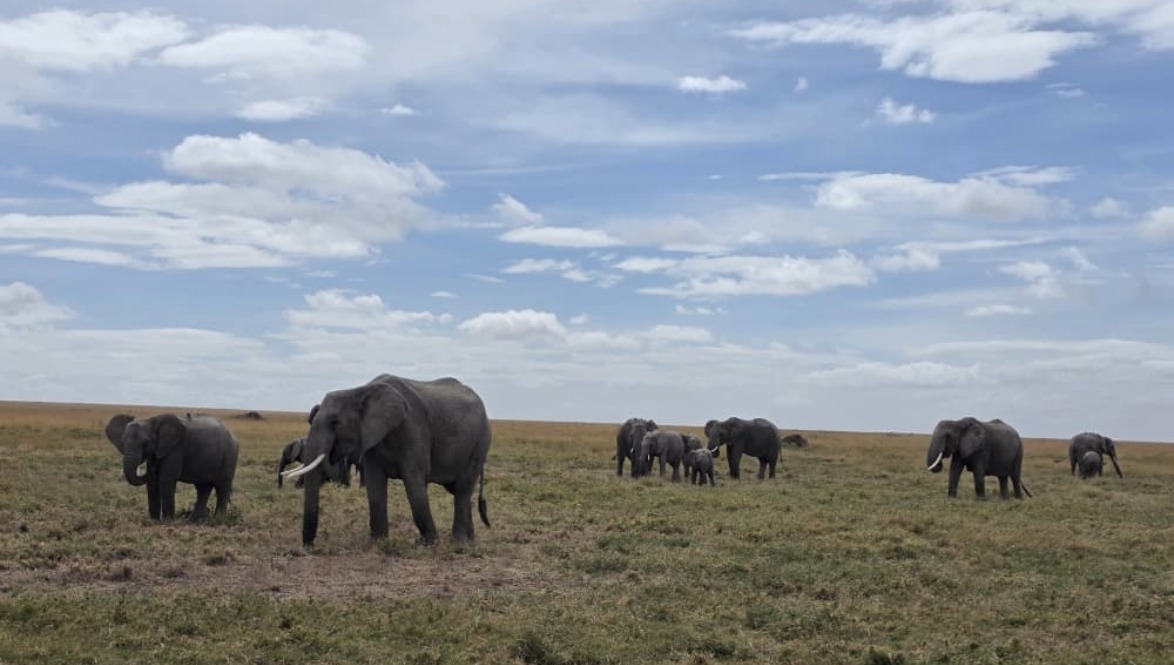
Serengeti National Park Safari is one of Africa’s most extraordinary wildlife adventures, offering breathtaking landscapes, remarkable wildlife encounters and the chance to witness the world-famous Great Migration. Located in northern Tanzania, Serengeti National Park is renowned for its endless golden plains, impressive populations of lions, elephants, giraffes and other iconic African wildlife.
Whether you’re dreaming of watching predators in action, exploring the vast savannah on a guided game drive or witnessing thousands of wildebeest crossing the wilderness, the Serengeti promises an unforgettable safari experience.
In this complete guide, Alive Africa Adventures explores the best time to visit Serengeti National Park, top wildlife attractions, safari activities, accommodation options, travel costs and essential planning tips to help you prepare for your Tanzania safari adventure.
Planning your visit around the wildebeest migration? Read our detailed guide to the Great Migration in Tanzania to discover when and where you have the best opportunities to witness this remarkable wildlife spectacle.
Serengeti National Park at a Glance
- Location: Northern Tanzania, bordering Kenya’s Maasai Mara National Reserve
- Size: About 14,750 square kilometers (roughly 5,700 square miles)
- Status: Established as a national park in 1951 and recognized as a UNESCO World Heritage Site in 1981
- Famous for: The Great Migration, large predator populations and wide-open scenery
- Nearest gateway: Arusha, with flights and road transfers to the park
- Best for: Classic game drives, migration viewing, photography and bucket-list safaris
Why a Serengeti Safari Is So Special
Many parks offer good game viewing, but the Serengeti offers scale. The ecosystem stretches across Tanzania and into Kenya, and it supports one of the largest movements of land animals on the planet. Because the landscape is so open, you can often watch events unfold from a distance: a lioness stalking through the grass, a cheetah scanning from a termite mound, or a storm rolling across the plains.
The park is also remarkably varied. You will find open grassland, acacia woodland, riverine forest, rocky kopjes and seasonal wetlands. Each habitat attracts different animals and offers a different kind of safari.
Wildlife You Can See in the Serengeti – Serengeti National Park Safari
The Big Five and the big cats
The Serengeti is home to lions, leopards, elephants and buffalo, and a small number of black rhinos live in protected areas such as the Moru Kopjes. Rhinos are rare and difficult to find, but the other four are regularly seen.
- Lions: The Serengeti has one of the largest lion populations in Africa. Look for prides resting under acacia trees or on kopjes.
- Leopards: Seronera and the river valleys are excellent for leopard sightings, often in sausage trees or acacias.
- Cheetahs: The open plains make cheetahs easier to see here than in many other parks, especially in the south and east.
- Elephants and buffalo: Seen throughout the park, often in woodland and near rivers.
Plains game and other mammals
Wildebeest, zebra, Thomson’s and Grant’s gazelles, topi, eland, giraffe, hippo, hyena, jackal and warthog are all common. Look carefully and you may also see serval, caracal, honey badger and bat-eared fox.
Birds and reptiles
The park has hundreds of bird species, including ostrich, secretary bird, kori bustard, lilac-breasted roller, vultures and many raptors. Seasonal visitors arrive from Europe and Asia during the wetter months. The Grumeti and Mara rivers are also home to large Nile crocodiles.
The Great Migration Explained
The Great Migration is the continuous, circular movement of well over a million wildebeest, accompanied by hundreds of thousands of zebra and gazelles, in search of fresh grazing and water. It is not a single event on a single date. It is a year-round cycle driven by rainfall, and the exact timing can vary from year to year.
- January to March: The herds are in the southern Serengeti and the Ndutu area. This is calving season, when many calves are born and predators gather to hunt.
- April to May: The herds move north through the central Serengeti as the long rains fall.
- June to July: Herds reach the Western Corridor and the Grumeti River, where the first river crossings can occur.
- July to September: The herds arrive in the northern Serengeti and face the dramatic Mara River crossings.
- October to November: The herds drift back south through the east and north as the short rains approach.
- December: Herds return to the southern plains to graze on fresh grass before calving begins again.
For a deeper look at timing across the whole country, read our guide to the best time to visit Tanzania for a safari.
Exploring the Regions of the Serengeti
The Serengeti is large, and each area has its own character. Choosing the right region for your dates is one of the best ways to improve your safari.
Central Serengeti (Seronera)
The heart of the park and one of the best places for year-round wildlife viewing. Seronera is famous for leopards, lions and cheetahs. It is a convenient base and has a good network of roads, but it can be busy in peak months.
Southern Serengeti and Ndutu
The place to be from roughly January to March for calving season. Open plains, acacia woodland and Lake Ndutu create wonderful scenery. This area has excellent predator action and generally feels less crowded than the north during the migration.
Western Corridor and Grumeti
A lush area with the Grumeti River, crocodiles and, in some years, early migration river crossings in June and July. It is also a good area for birdlife and a quieter safari.
Northern Serengeti (Kogatende and Lobo)
Remote, scenic and rich in wildlife, the north is the setting for the Mara River crossings between about July and October. It also offers fantastic game viewing outside the crossing season, with fewer vehicles than the central areas.
Moru Kopjes and Gol Kopjes
Kopjes are granite outcrops that rise from the plains and act as lookout points for lions and leopards. They are also good places to see rock hyraxes, agama lizards and birds of prey.
Best Time to Visit the Serengeti
The Serengeti is a year-round destination, but your choice of month will shape what you see.
- Dry season (late June to October): The most popular time. Wildlife is easier to find, roads are dry and the Mara River crossings take place in the north. It is also the most expensive and the busiest period.
- Calving season (January to March): Ideal for predator action and newborn animals in the south. Rates are often lower than in the dry season.
- Green season (April to May): Lush scenery, low prices and few visitors, but heavy rain and some closed camps.
- Shoulder months (November and early December): Short rains, green landscapes and good value.
If you want a classic experience with the best odds of crossings, choose August or September. If you prefer fewer crowds and dramatic hunting scenes, aim for February.
How to Get to the Serengeti
By road
Most travelers start in Arusha. The drive usually passes through Lake Manyara or Tarangire and the Ngorongoro Conservation Area before entering the southern or central Serengeti. It is a long journey, so many itineraries include overnight stops along the way.
By air
Scheduled and charter flights link Arusha and other airports to airstrips within the park, such as Seronera and Kogatende. Flying saves time and gives spectacular views of the landscape, especially if you are visiting the northern or remote areas.
Combine with Ngorongoro – Serengeti National Park Safari
The Serengeti and the Ngorongoro Crater are a natural pair. Most itineraries include both, giving you open plains followed by a spectacular volcanic caldera filled with wildlife.
Things to Do on a Serengeti Safari
- Game drives: The main activity. Morning and late afternoon drives offer the best light and the most active animals.
- Hot air balloon safari: A sunrise balloon flight over the plains, often followed by a champagne breakfast, is a highlight for many visitors. Book in advance, as places are limited.
- Guided bush walks: Offered in certain areas and by some camps, giving a closer look at the smaller details of the bush.
- Visit Olduvai Gorge: Near the Ngorongoro area, this archaeological site is known for its early human fossils.
- Cultural visits: Respectful visits to Maasai communities can give insight into local life. Choose responsible, community-run experiences.
- Photography: Ask your guide about the best light, positions and approaches for photographing wildlife without disturbing it.
Where to Stay in the Serengeti – Serengeti National Park Safari
Safari lodges – Serengeti National Park Safari
Permanent lodges offer comfortable rooms, restaurants, pools and great views. They are a good choice if you want more comfort and amenities.
Tented camps – Serengeti National Park Safari
Tented camps combine comfort with a sense of being close to nature. Many have private bathrooms, proper beds and lovely verandas.
Mobile and seasonal camps – Serengeti National Park Safari
These camps move with the migration and offer a more immersive experience, often with fewer guests. They are excellent for travelers who want to be in the right place at the right time.
Budget and camping options
There are public campsites and simpler camps for travelers on a smaller budget. They are a great way to experience the park, though they usually involve a higher level of self-sufficiency.
Sample Serengeti Itineraries – Serengeti National Park Safari
5-day Serengeti safari – Serengeti National Park Safari
- Day 1: Arusha to Tarangire National Park
- Day 2: Tarangire to Ngorongoro Conservation Area
- Days 3 and 4: Serengeti National Park with full-day game drives
- Day 5: Return via Ngorongoro to Arusha, or fly out from the Serengeti
7-day Serengeti and Ngorongoro safari
- Day 1: Arrive in Arusha
- Day 2: Tarangire National Park
- Day 3: Lake Manyara or Ngorongoro
- Days 4 to 6: Serengeti, with time in two different regions
- Day 7: Ngorongoro Crater game drive and return to Arusha
10-day migration safari
- Spend two or three nights each in the Central Serengeti, the northern or southern Serengeti (depending on the season) and the Ngorongoro area, with additional time in Tarangire. This gives you a wider range of habitats and a better chance of following the herds.
What Affects the Cost of a Serengeti Safari?
Prices vary widely, so use these factors to plan your budget:
- Season of travel, with the dry months being the most expensive
- Type of accommodation, from camping to luxury lodges
- Length of your trip and number of parks visited
- Park and conservation fees
- Transport type, such as road transfers or domestic flights
- Optional extras such as a balloon safari, guided walks or cultural visits
Ask for a clear written quotation that shows what is included and excluded.
Practical Tips for Your Serengeti Safari
- Book early. Popular lodges and balloon flights sell out many months ahead for peak periods.
- Pack in layers. Mornings are cool and midday is hot. Bring neutral-colored clothing, a hat, sunglasses, sunscreen and a warm jacket.
- Bring binoculars and a good camera. A zoom lens makes a big difference.
- Plan enough days. Three to four nights in the Serengeti gives you time to see more than one region.
- Follow park rules. Stay in your vehicle except at designated areas, keep your voice low and never feed wildlife.
- Take health precautions. Speak to a doctor or travel clinic about malaria prevention and the vaccinations recommended for travel to Tanzania.
- Travel insurance. Choose a policy that covers medical care and evacuation.
- Respect wildlife and people. Ask before photographing local people and follow your guide’s advice at all times.
Frequently Asked Questions – Serengeti National Park Safari
How many days do I need for a Serengeti safari?
We recommend at least three to four nights in the Serengeti itself, with a total trip length of five to seven days if you also want to visit Tarangire and Ngorongoro.
What is the best month for a Serengeti safari?
August and September are ideal for classic game viewing and river crossings, while February is outstanding for calving season and predators.
Can you see the Great Migration all year?
Yes, the herds are somewhere in the Serengeti ecosystem year-round, but the location changes with the seasons. Your itinerary should be built around where the herds are likely to be during your dates.
Do I need a visa for Tanzania? – Serengeti National Park Safari
Most visitors need a visa, which can usually be arranged online in advance or on arrival. Requirements can change, so check the official Tanzanian immigration website before you travel.
Is the Serengeti safe?
Safaris in the Serengeti are well established, and traveling with a licensed operator and experienced guides is the best way to stay safe. Always check your government’s latest travel advice.
Can I see the Big Five in the Serengeti?
You can see lions, leopards, elephants and buffalo fairly regularly. Black rhinos are rare and not guaranteed.
Is the Serengeti suitable for children?
Many families enjoy the Serengeti, but check age limits for lodges, camps and activities such as balloon flights and walks when you book.
Final Thoughts – Serengeti National Park Safari
A Serengeti safari is more than a list of animals. It is the sense of space, the sound of the plains at dawn, and the thrill of watching nature unfold in front of you. Choose your season, pick the right region and give yourself enough time, and the Serengeti will deliver an experience you will remember for life.
Serengeti National Park is internationally recognized for its extraordinary wildlife, diverse ecosystems and annual Great Migration. The park is protected under the Tanzania National Parks Authority (TANAPA) and has been recognized as a UNESCO World Heritage Site since 1981.
Plan Your Serengeti National Park Safari With Alive Africa Adventures
A Serengeti National Park Safari is more than a wildlife holiday it is an unforgettable journey into the heart of Africa’s wilderness. From the endless golden plains and incredible wildlife encounters to the breathtaking Great Migration, the Serengeti offers experiences that stay with you long after your adventure ends.
Whether you dream of witnessing lions in their natural habitat, exploring the Serengeti on guided game drives or combining Tanzania’s iconic destinations into one remarkable journey, the right safari itinerary makes all the difference.
At Alive Africa Adventures, we help travellers experience the beauty of Tanzania through personalized guided safaris tailored to their interests, travel dates and budget.
Ready to discover where Africa comes alive?
Contact Alive Africa Adventures today to plan your Serengeti National Park Safari and request a personalized Tanzania safari quotation. Your unforgettable African adventure starts here!