
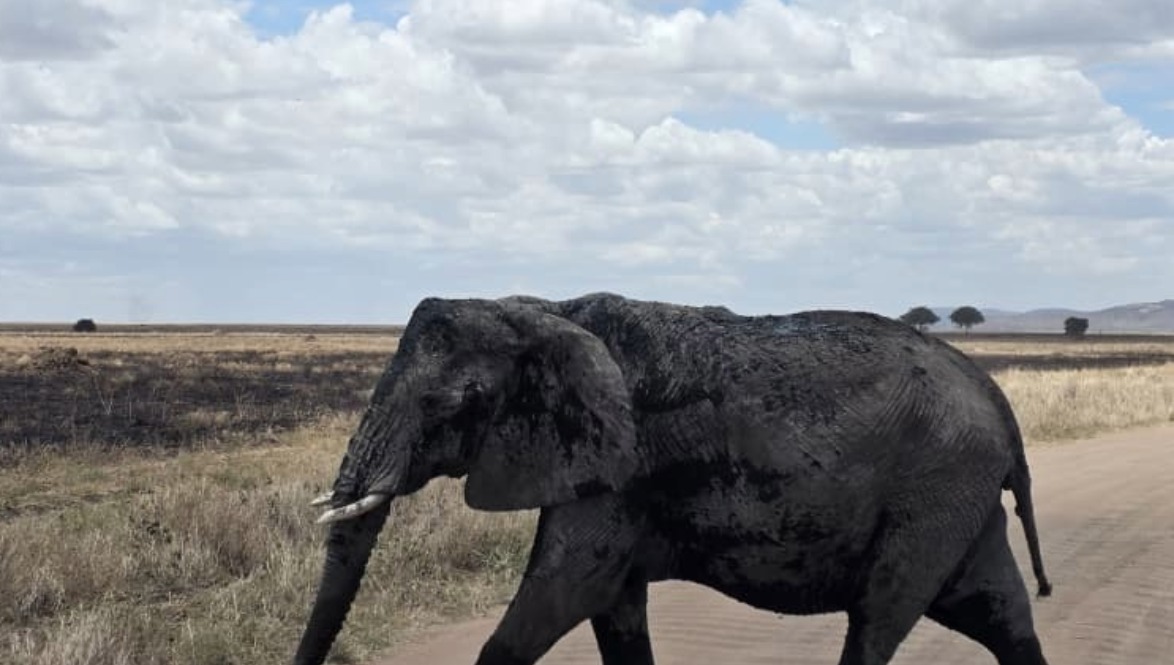
A Tarangire National Park Safari takes you into one of Tanzania’s most captivating wildlife destinations, famous for its impressive elephant herds, ancient baobab trees and breathtaking African landscapes. Located along Tanzania’s popular northern safari circuit, Tarangire offers remarkable wildlife encounters and a rewarding experience for travellers seeking the beauty of the African wilderness.
During the dry season, wildlife gathers around the Tarangire River, creating excellent opportunities to observe elephants, giraffes, zebras, wildebeest and predators in their natural habitat. The park’s magnificent baobab trees provide a spectacular backdrop for guided game drives and wildlife photography.
Whether you’re planning your first Tanzania safari or combining Tarangire with the Serengeti and Ngorongoro Crater, this complete guide explores the best time to visit, wildlife highlights, safari activities, accommodation options and essential travel tips to help you plan an unforgettable adventure.
Tarangire National Park is an excellent addition to a longer northern Tanzania safari. Travellers can combine its spectacular elephant encounters with a Serengeti National Park Safari and explore the seasonal wildlife movements described in our Great Migration in Tanzania guide. For a more personalized experience, discover our guided Tanzania safari tours and choose an itinerary that matches your interests and travel dates.
Tarangire National Park at a Glance
- Location: Northern Tanzania, south of Lake Manyara and about a three-hour drive from Arusha
- Size: Roughly 2,850 square kilometers, making it one of the larger parks on the northern circuit
- Lifeline: The Tarangire River, which draws wildlife from across the surrounding region in the dry season
- Famous for: Large elephant herds, ancient baobab trees and excellent birdlife
- Best time to visit: June to October, with rewarding game viewing in the green season too
- Best for: First-time visitors, photographers, elephant lovers and travelers who want fewer crowds
Why Tarangire Is Called Tanzania’s Elephant Paradise
Tarangire is home to one of the largest elephant populations in northern Tanzania. During the dry season, family herds gather along the river in big numbers, and it is common to see dozens of elephants at once. You can watch mothers guiding calves across the water, young males playing and matriarchs leading the group to shade.
The landscape adds to the magic. Giant baobab trees, some estimated to be centuries old, stand over the golden grass like ancient monuments. Elephants often shelter under them or feed nearby, creating postcard scenes that are especially beautiful at sunrise and sunset.
Wildlife You Can See in Tarangire -Tarangire National Park Safari
Elephants
The star attraction. Look for herds along the river and in the open woodlands. In the dry months, they often dig in the sandy riverbed to find water, which also benefits other animals.
Lions and leopards
Lions are regularly seen, resting in the shade or hunting zebra and wildebeest. Leopards are present but elusive. Look for them in tall trees and thick vegetation, especially in the early morning and late afternoon.
Cheetahs and other predators
Cheetahs are seen less often, but sightings are possible on the open plains. Spotted hyenas, jackals and several smaller carnivores also live in the park.
Zebra, wildebeest and buffalo
Large numbers of zebra and wildebeest move into the park during the dry season, along with buffalo, eland and impala. Together with the elephants, they create a lively and varied scene along the river.
Giraffe, waterbuck and warthog
Giraffes browse on acacia trees across the park, while waterbuck, warthogs and baboons are regular sightings.
Dry-country specialties
Tarangire is one of the best places on the northern circuit to look for animals adapted to drier habitats, such as the fringe-eared oryx, the gerenuk with its long neck and the lesser kudu. These species are harder to find in the Serengeti and Ngorongoro.
Birds
Birdlife is excellent, with hundreds of species recorded. Look for lilac-breasted rollers, yellow-collared lovebirds, hornbills, bee-eaters, ostriches, secretary birds and many raptors. From November to April, migratory birds add even more variety.
Smaller wonders
Termite mounds are home to banded mongooses and dwarf mongooses, while pythons, monitor lizards and crocodiles live along the water. A good guide will help you notice these smaller details that make a safari memorable.
The Landscape and Key Areas – Tarangire National Park Safari
Tarangire has a surprising variety of habitats, from open grassland and acacia woodland to riverine forest and seasonal swamps.
- Tarangire River: The heart of the park and the best place for elephants and other wildlife in the dry season.
- Baobab woodlands: Stunning for photography, especially in soft morning and evening light.
- Silale Swamp and the southern areas: Quieter parts of the park with wetlands and good birdlife, usually visited on longer stays.
- Surrounding areas: Lake Burunge and other nearby zones offer activities and accommodation, and some areas outside the park allow walking safaris and night drives.
Best Time to Visit Tarangire National Park – Tarangire National Park Safari
Tarangire can be visited all year, but the experience changes with the seasons. For a country-wide overview, read our guide to the best time to visit Tanzania for a safari.
Dry season (June to October)
This is the prime time for a Tarangire National Park safari. Water is scarce elsewhere, so wildlife concentrates along the river. Elephant herds are at their largest, game viewing is easy and the weather is sunny and pleasant. It is also the busiest season, so book early.
Short rains (November to December)
The landscape begins to turn green, migratory birds arrive and prices are lower. Showers are usually short, and the park is still rewarding.
Long rains (March to May)
The park is lush and quiet, with excellent birdlife and low rates. Animals disperse over a wider area, so sightings can be less concentrated, and some roads can be muddy.
January and February
A mix of green landscapes and drier spells, with fewer visitors and good photography conditions. It is a lovely time to combine Tarangire with the southern Serengeti and Ndutu.
Beginner’s tip: If your priority is elephants and baobabs, plan your visit between July and October.
How to Get to Tarangire National Park – Tarangire National Park Safari
Tarangire is one of the most accessible parks in Tanzania.
- By road from Arusha: About a three-hour drive, which makes it a convenient first or last stop on a northern circuit safari.
- From Lake Manyara or Ngorongoro: A short to moderate drive, depending on your route.
- By air: There are airstrips near the park, and charter flights can connect to other destinations, though most visitors arrive by road.
Things to Do in Tarangire – Tarangire National Park Safari
- Game drives: The main activity. Morning and afternoon drives are best for light and animal activity.
- Birdwatching: With so many species, even beginners will enjoy it. Ask your guide to help you spot the colorful ones.
- Photography: Elephants beneath baobabs make unforgettable images.
- Walking safaris and night drives: Offered by some camps in areas outside the park boundary. Check what your lodge provides.
- Cultural visits: Respectful visits to nearby Maasai communities can give you insight into local life.
- Sundowners and picnics: Many lodges arrange them in scenic spots.
Where to Stay in and Near Tarangire – Tarangire National Park Safari
Lodges inside the park
Staying in the park saves driving time and puts you right in the wildlife. Many lodges have views over the river and the plains, and some have pools and excellent restaurants.
Tented camps
Tented camps combine comfort and adventure. They are good for travelers who want to hear the sounds of the bush at night, with proper beds and private bathrooms.
Lodges and camps outside the park
Properties in the surrounding areas can offer lower prices and extra activities such as walking safaris. They may mean a slightly longer drive into the park each morning.
Budget and camping options
Public campsites and simple camps are available for travelers on a smaller budget. They require more self-sufficiency but offer a closer connection to nature.
Sample Itineraries Including Tarangire – Tarangire National Park Safari
1 night at Tarangire
- Day 1: Drive from Arusha, enjoy an afternoon game drive and overnight near the park
- Day 2: Morning game drive, then continue to Lake Manyara or Ngorongoro
3-day safari
- Day 1: Arusha to Tarangire for a full afternoon of game viewing
- Day 2: Tarangire to the Ngorongoro rim, with a stop in a village if time allows
- Day 3: Ngorongoro Crater game drive and return to Arusha
6-day northern circuit
- Day 1: Arusha to Tarangire
- Day 2: Tarangire to Lake Manyara or the Ngorongoro rim
- Day 3: Ngorongoro Crater and on to the Serengeti
- Days 4 and 5: Serengeti game drives
- Day 6: Return to Arusha or fly out
For more details on these parks, see our guides to the Serengeti and Ngorongoro Crater.
What Does a Tarangire Safari Cost? – Tarangire National Park Safari
Prices vary depending on the season, the type of accommodation and the length of your stay. Always ask for a current written quotation. The main cost factors are:
- Park fees: Charged per person per day, plus vehicle and guide fees
- Accommodation: Camping, mid-range lodges and luxury camps vary widely
- Season: Dry-season months are the most expensive
- Private or shared vehicle: Sharing reduces the cost per person
- Transport: Road transfers from Arusha usually cost less than flights
- Extras: Walking safaris, cultural visits, drinks and tips
Tarangire often offers good value compared with the Serengeti, which makes it a smart addition for travelers on a moderate budget.
Practical Tips for Your Tarangire Safari – Tarangire National Park Safari
- Spend at least one night. A full day and night give you time to enjoy the light at sunrise and sunset.
- Pack light layers. Mornings can be cool, while midday is hot and dry.
- Bring binoculars and a zoom lens. Elephants may be close, but birds and predators often are not.
- Watch for tsetse flies. They can be present, especially in wooded areas. Wear neutral colors and keep windows or roof panels closed if they are around.
- Follow park rules. Stay inside your vehicle, keep your voice low and never feed wildlife.
- Respect elephants. Keep a safe distance, never block their path and let your guide read their behavior.
- Take health precautions. Speak to a doctor or travel clinic about malaria prevention and recommended vaccinations.
- Check your visa. Most visitors can apply online through the official Tanzania immigration e-services website.
- Book early. Popular lodges fill up quickly from July to October.
Tarangire National Park is one of Tanzania’s remarkable wildlife destinations, celebrated for its impressive elephant herds, ancient baobab trees and diverse birdlife. Managed by the Tanzania National Parks Authority (TANAPA), the park offers exceptional opportunities to experience Tanzania’s natural beauty, particularly during the dry season when wildlife gathers around the Tarangire River. Travellers can explore the official Tarangire National Park information to learn more about its attractions, conservation and visitor guidelines before planning their safari.
Frequently Asked Questions – Tarangire National Park Safari
Is Tarangire worth visiting?
Yes. Tarangire offers excellent elephant viewing, beautiful landscapes and fewer crowds than some other northern parks. It is also easy to include in most itineraries.
How many days do I need in Tarangire?
One night and two game drives is enough to see the highlights, but two nights give you a more relaxed experience and more time for different areas.
What is the best month to visit Tarangire?
July to October is the best period for large elephant herds and concentrated wildlife. The green season is quieter and good for birds.
Can I see the Big Five in Tarangire?
You can see elephants, lions, leopards and buffalo, but rhinos are not found in the park.
Is Tarangire better than Serengeti?
They are different. The Serengeti has vast plains and the Great Migration, while Tarangire is smaller, quieter and famous for elephants and baobabs. Many travelers visit both.
How far is Tarangire from Arusha?
It is about a three-hour drive, depending on traffic and road conditions.
Is Tarangire suitable for children?
Many families enjoy the park, but check age limits for lodges and activities when you book.
Is Tarangire safe?
Safaris in Tarangire are well established. Travel with an experienced guide, follow park rules and check your government’s latest travel advice.
Final Thoughts – Tarangire National Park Safari
A Tarangire National Park safari delivers big herds, stunning scenery and a peaceful atmosphere. Whether you visit for one night or three, you will leave with memories of elephants beneath baobabs and the golden light of the African bush.
Plan Your Tarangire National Park Safari With Alive Africa Adventures
A Tarangire National Park Safari offers an unforgettable opportunity to experience Tanzania’s extraordinary wildlife, from magnificent elephant herds wandering beneath ancient baobab trees to spectacular game-viewing moments along the Tarangire River.
Whether you’re planning a short wildlife escape or a longer Tanzania adventure combining Tarangire, Serengeti National Park and Ngorongoro Crater, this remarkable destination deserves a place on your safari itinerary.
At Alive Africa Adventures, we help travellers explore Tanzania through personalized guided safari experiences designed around their travel interests, preferred accommodation and budget.
Ready to discover Tanzania’s Elephant Paradise?
Contact Alive Africa Adventures today to plan your Tarangire National Park Safari and request a